








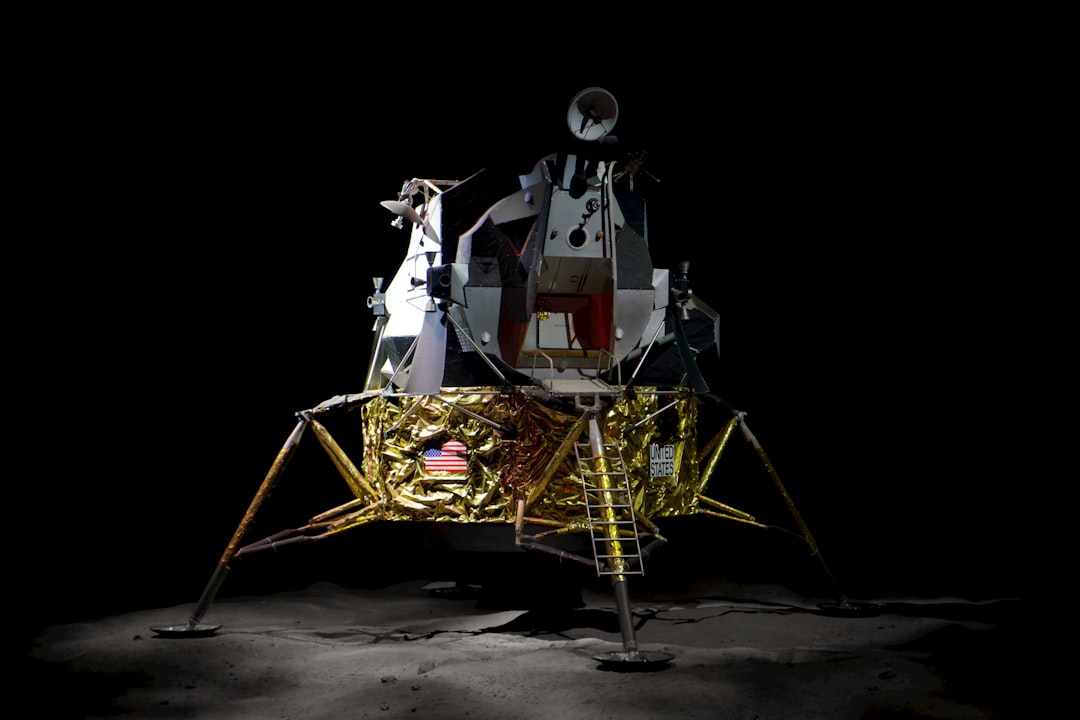
The International Space Station (ISS) has a rich history that reflects decades of international cooperation in space exploration. Its origins can be traced back to the early 1980s when NASA proposed a space station program called Freedom. This initiative aimed to create a modular space station that could support scientific research and serve as a platform for future missions to the Moon and Mars. However, the project faced numerous challenges, including budget constraints and shifting political priorities.
In the 1990s, the vision for a collaborative space station evolved. The United States, Russia, Europe, Japan, and Canada came together to form a partnership that would lead to the creation of the ISS. The first module, Zarya, was launched in 1998, marking the beginning of a new era in human spaceflight. Over the years, additional modules were added, and the station grew into a complex structure that orbits Earth at an altitude of approximately 400 kilometers. The ISS has since become a symbol of international collaboration, showcasing what can be achieved when countries work together toward a common goal.
The International Space Station (ISS) serves as a remarkable platform for scientific research and international collaboration in space. For those interested in the broader implications of scientific advancements, a related article discusses the historical development and applications of many-valued logic, which can be crucial in enhancing decision-making processes in complex systems like space exploration. You can read more about this fascinating topic in the article available at An Introduction to Many-Valued Logic: Historical Development, Relations, and Applications.
Key Takeaways
- The International Space Station (ISS) was launched in 1998 and has been continuously inhabited since November 2000.
- The ISS serves as a laboratory for scientific research, technology development, and international cooperation in space exploration.
- Astronauts on the ISS experience microgravity, radiation, and isolation, and must undergo rigorous physical training and psychological preparation.
- The ISS has been used for a wide range of research and experiments, including studies on biology, physics, astronomy, and Earth observation.
- The ISS is a collaborative effort involving space agencies from the United States, Russia, Europe, Japan, and Canada, and serves as a symbol of international cooperation in space exploration.
The Purpose and Function of the International Space Station
The ISS serves multiple purposes, primarily focused on scientific research and technology development. One of its main functions is to provide a unique microgravity environment where scientists can conduct experiments that are impossible or difficult to perform on Earth. This microgravity allows researchers to study various phenomena, from fluid dynamics to biological processes, leading to advancements in fields such as medicine, materials science, and environmental science.
In addition to research, the ISS plays a crucial role in technology demonstration. It serves as a testbed for new technologies that will be essential for future deep-space missions. For instance, systems for life support, radiation protection, and habitat construction are all tested aboard the ISS before being deployed on missions to Mars or beyond. The station also acts as a platform for international cooperation in space exploration, fostering partnerships among nations and organizations that share a commitment to advancing human knowledge.
Life on the International Space Station
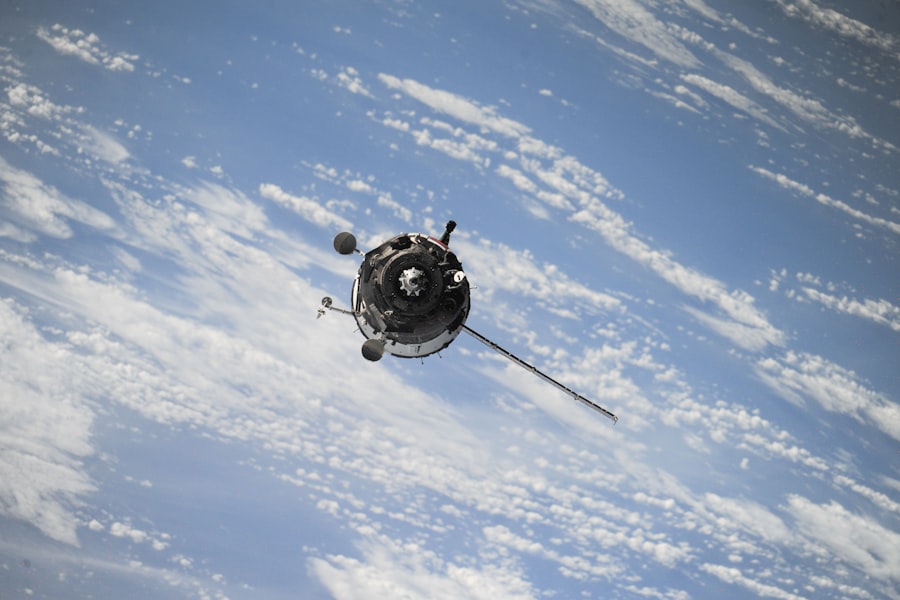
Life aboard the ISS is both fascinating and challenging. Astronauts live and work in a confined space where they must adapt to microgravity conditions. Daily routines include conducting experiments, exercising, and maintaining the station.
Exercise is particularly important; astronauts spend about two hours each day using specialized equipment to counteract the muscle and bone loss that occurs in microgravity. Living in such close quarters requires astronauts to develop strong teamwork and communication skills. They share sleeping quarters, meals, and workspaces, which fosters camaraderie but can also lead to conflicts.
To maintain mental well-being, astronauts have access to leisure activities like watching movies, reading books, or even video chatting with family back on Earth. Despite the challenges of isolation and confinement, many astronauts describe their time on the ISS as one of the most rewarding experiences of their lives.
Research and Experiments Conducted on the International Space Station
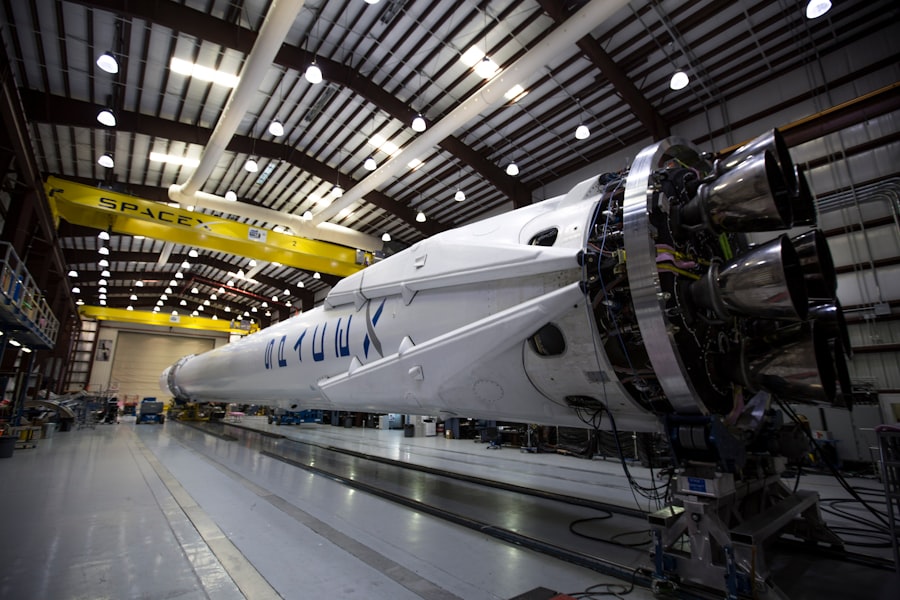
The ISS is home to a wide array of scientific research and experiments across various disciplines. One significant area of study is human health. Researchers investigate how long-duration spaceflight affects the human body, focusing on issues like muscle atrophy, bone density loss, and changes in vision. These studies are crucial for preparing astronauts for future missions to Mars and beyond.
In addition to health research, the ISS supports experiments in materials science. Scientists explore how materials behave in microgravity, leading to discoveries that can improve manufacturing processes on Earth. For example, researchers have studied how metal alloys solidify differently in space compared to on Earth, which could lead to stronger materials for various applications.
Biological research is another key focus on the ISS. Experiments involving plants and microorganisms help scientists understand how life adapts to space conditions. These studies not only contribute to our understanding of biology but also have implications for future space agriculture, which will be essential for sustaining human life on long-duration missions.
The International Space Station continues to be a hub for scientific research and international collaboration in space exploration. Recent studies conducted aboard the ISS have provided valuable insights into various fields, including biology and materials science. For those interested in the philosophical implications of such advancements, a related article explores the synthesis and contextualization of contemporary Indian philosophy, which can offer a unique perspective on the ethical considerations of space exploration. You can read more about it in this article.
International Collaboration on the International Space Station
| Metrics | Data |
|---|---|
| Number of Modules | 16 |
| Orbit Altitude | approximately 420 km |
| International Partners | 5 (NASA, Roscosmos, JAXA, ESA, CSA) |
| First Module Launch | 1998 |
| Expeditions Completed | 65 |
The ISS is a remarkable example of international collaboration in action. It brings together space agencies from around the world, including NASA (United States), Roscosmos (Russia), ESA (European Space Agency), JAXA (Japan), and CSA (Canada). This partnership has allowed countries with different capabilities and resources to pool their expertise and share costs.
Collaboration extends beyond just funding; it involves sharing knowledge and technology as well. Each partner contributes unique modules and systems that enhance the overall functionality of the ISS. For instance, Europe’s Columbus laboratory focuses on life sciences research, while Japan’s Kibo module provides facilities for various experiments. This collaborative spirit fosters goodwill among nations and demonstrates how working together can lead to significant advancements in science and technology.
The International Space Station continues to be a hub for scientific research and international collaboration in space exploration. Its unique environment allows scientists to conduct experiments that are not possible on Earth, leading to advancements in various fields such as medicine and materials science. For those interested in the philosophical aspects of human experience, a related article explores the concept of rasa in Indian aesthetics, which delves into the emotional responses evoked by art and performance. You can read more about it here.
Challenges and Risks of Living and Working on the International Space Station
While life on the ISS offers incredible opportunities for research and discovery, it also comes with significant challenges and risks. One major concern is exposure to radiation. In low Earth orbit, astronauts are subjected to higher levels of cosmic radiation than they would experience on Earth. Prolonged exposure can increase the risk of cancer and other health issues, making it essential for researchers to develop effective shielding strategies for future deep-space missions.
Another challenge is the psychological impact of living in a confined space for extended periods. Astronauts must cope with isolation from family and friends while managing stress from their demanding work schedules. NASA has implemented various support systems to help astronauts maintain their mental health, including regular communication with loved ones and access to psychological counseling.
Technical failures also pose risks aboard the ISS. The station relies on complex systems for life support, power generation, and communication.
Any malfunction can have serious consequences for crew safety.
Astronauts undergo extensive training to handle emergencies and are equipped with protocols to address potential issues quickly.
Future of the International Space Station
The future of the ISS is currently under discussion among its international partners.
While it has been an invaluable asset for scientific research and international collaboration since its inception, its operational lifespan is limited due to aging infrastructure and increasing maintenance costs.
As we look ahead, there are plans for transitioning from government-operated missions to commercial partnerships.
NASA has expressed interest in encouraging private companies to take over some operations aboard the ISS or even develop new commercial space stations. This shift could open up new opportunities for research and tourism while reducing costs for government agencies. Additionally, discussions are underway about extending the life of the ISS until at least 2028 or beyond if it remains safe and functional.
As we consider what comes next for human spaceflight, there’s also excitement about new missions beyond low Earth orbit. The ISS has laid the groundwork for future exploration of Mars and other celestial bodies. The knowledge gained from living and working in microgravity will be invaluable as humanity takes its next steps into deeper space.
Visiting the International Space Station
Visiting the ISS is no longer just a dream reserved for astronauts; it’s becoming increasingly accessible through commercial spaceflight initiatives. Companies like SpaceX and Axiom Space are working on missions that allow private individuals to experience life aboard the station for short periods.
These trips typically involve extensive training before launch to prepare visitors for the unique environment of microgravity. Once aboard, they can participate in various activities alongside professional astronauts while experiencing breathtaking views of Earth from orbit.
While visiting the ISS comes with a hefty price tag—often millions of dollars—it represents a significant step toward making space more accessible to non-professionals. As technology advances and commercial space travel becomes more commonplace, we may see an increase in opportunities for people from all walks of life to experience this extraordinary environment firsthand.
In conclusion, the International Space Station stands as a testament to human ingenuity and collaboration in exploring the final frontier. Its history reflects decades of effort from multiple nations working together toward common goals in science and exploration. As we look ahead, both challenges and opportunities await us in this ever-evolving landscape of human spaceflight.








+ There are no comments
Add yours