








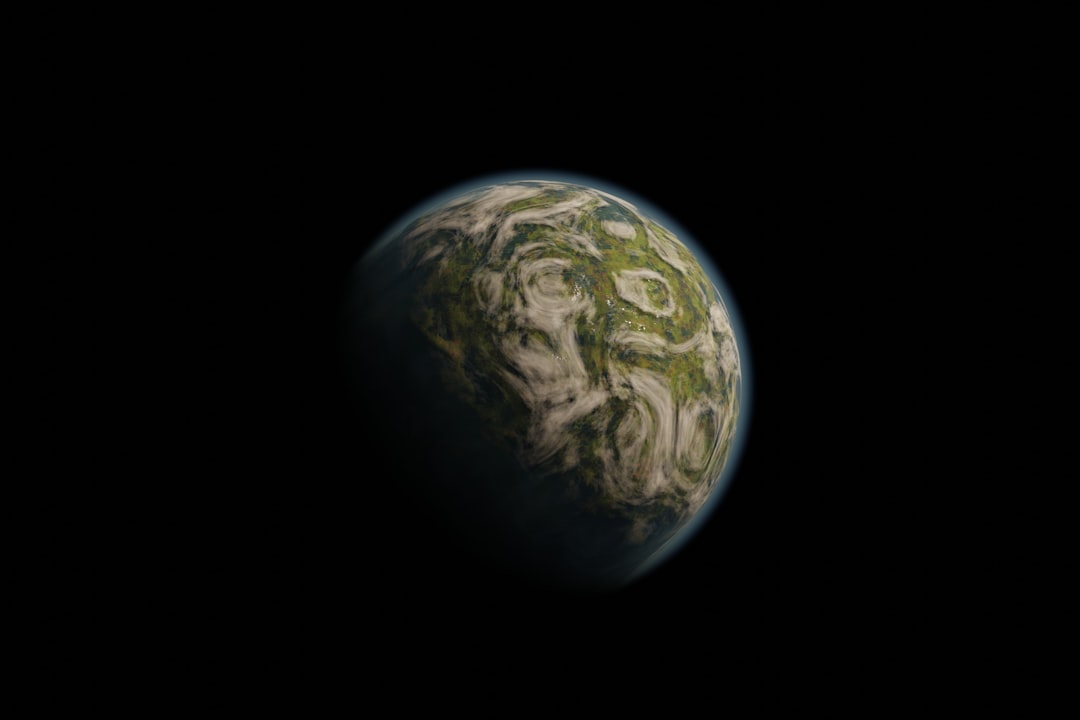
Terraforming refers to the process of modifying a planet or moon’s environment to make it more Earth-like and suitable for human habitation. This concept often conjures images of lush landscapes, breathable atmospheres, and stable climates, all tailored to support life as we know it. While the idea may seem like science fiction, it has gained traction in scientific discussions, particularly regarding Mars and other celestial bodies within our solar system.
At its core, terraforming involves altering various planetary conditions, such as temperature, atmospheric composition, and surface water availability. The ultimate goal is to create a self-sustaining ecosystem that can support human life without the need for artificial habitats. This ambitious endeavor raises numerous questions about feasibility, ethics, and the long-term implications of transforming another world.
Terraforming, the process of modifying a planet’s environment to make it habitable for Earth-like life, has garnered significant interest in recent years, particularly in the context of Mars exploration. A related article that delves into the complexities of transforming environments and systems can be found at this link: Understanding Categories, Functors, and the Category Cat. This article explores the mathematical frameworks that can be applied to various fields, including the theoretical aspects of environmental transformation and system interactions, which are crucial for understanding the challenges of terraforming.
Key Takeaways
- Terraforming is the process of transforming a planet or moon to make it habitable for humans and other Earth-based life forms.
- The concept of terraforming dates back to the 1940s and has been a popular topic in science fiction literature and films.
- The science behind terraforming involves manipulating the atmosphere, temperature, and surface of a celestial body to create Earth-like conditions.
- Challenges of terraforming include the immense cost, time, and technological requirements, as well as potential environmental and ethical concerns.
- Potential benefits of terraforming include expanding human civilization beyond Earth, finding new resources, and gaining a better understanding of planetary science.
The History of Terraforming
The concept of terraforming has roots in science fiction literature, with early mentions appearing in works by authors like H.G. Wells and Isaac Asimov. However, it wasn’t until the late 20th century that serious scientific discussions began to emerge. In the 1970s, scientists like Carl Sagan proposed ideas for terraforming Mars, suggesting methods such as releasing greenhouse gases to warm the planet and create a more hospitable environment.
As technology advanced, so did our understanding of planetary science. The 1990s saw a surge in interest in terraforming, spurred by missions to Mars and the discovery of exoplanets. Researchers began to explore not only the technical aspects of terraforming but also the ethical implications of altering another world. This period marked a shift from speculative fiction to serious scientific inquiry, laying the groundwork for future discussions on the subject.
The Science Behind Terraforming
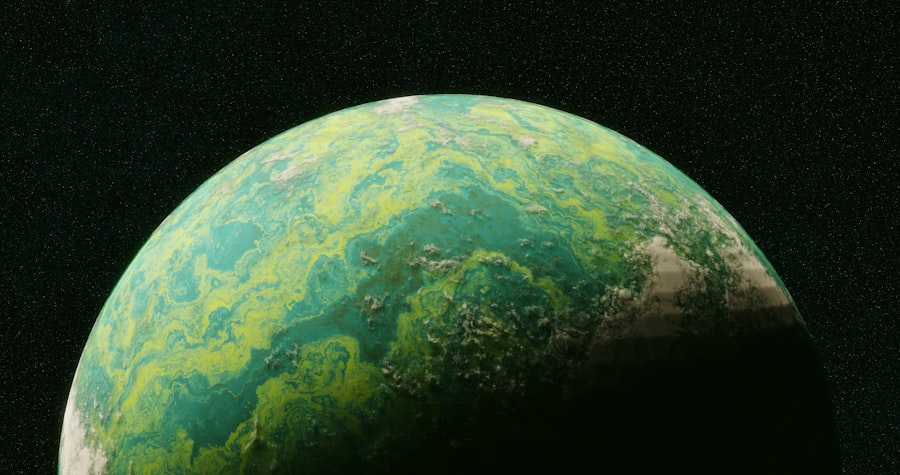
Terraforming relies on a combination of planetary science, biology, and engineering. To transform a celestial body, scientists must first understand its current conditions—such as atmospheric composition, temperature, and geological features. For instance, Mars has a thin atmosphere composed mostly of carbon dioxide, with surface temperatures that can plummet to minus 80 degrees Fahrenheit.
Understanding these factors is crucial for developing effective terraforming strategies. One proposed method for terraforming Mars involves the introduction of greenhouse gases to thicken the atmosphere and trap heat. This could be achieved through various means, such as releasing gases from industrial processes or utilizing genetically engineered microorganisms that produce methane.
Additionally, creating large-scale solar reflectors or orbital mirrors could help increase solar energy absorption on the planet’s surface. These scientific approaches require extensive research and experimentation to determine their viability and potential side effects.
Challenges of Terraforming
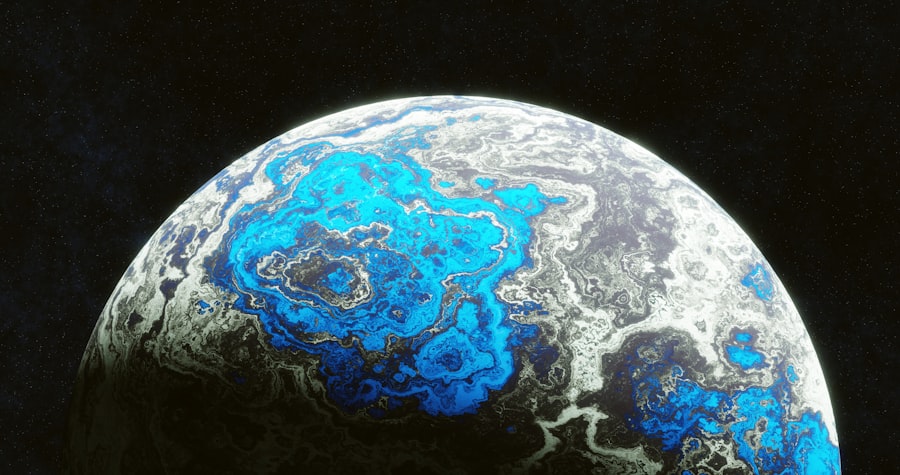
Despite its allure, terraforming presents numerous challenges that must be addressed before any practical implementation can occur. One significant hurdle is the sheer scale of the task. Transforming an entire planet’s environment is a monumental undertaking that would require vast resources and time—potentially spanning centuries or even millennia.
Another challenge lies in the unpredictability of ecological systems. Introducing new elements or organisms to a foreign environment could lead to unforeseen consequences, such as ecological imbalances or the extinction of native species. Additionally, ethical concerns arise regarding the potential impact on any existing life forms that may inhabit these celestial bodies. The question of whether humanity has the right to alter another world is a complex issue that requires careful consideration.
Terraforming, the process of modifying a planet’s environment to make it habitable for Earth-like life, has captivated scientists and enthusiasts alike. A fascinating aspect of this concept is how mathematical principles can aid in understanding the complexities of such transformations. For instance, the evolution of mathematical concepts, including geometry and the use of negative numbers, plays a crucial role in modeling the potential changes to a planet’s atmosphere and surface. To explore this further, you can read about these mathematical foundations in the article on the evolution of mathematical concepts.
Potential Benefits of Terraforming
“`html
| Aspect | Metric |
|---|---|
| Atmosphere | CO2 levels |
| Temperature | Global average temperature |
| Water | Water content in oceans and lakes |
| Vegetation | Percentage of land covered by vegetation |
“`
If successful, terraforming could offer numerous benefits for humanity. One of the most significant advantages is the potential for expanding human habitation beyond Earth. As our planet faces challenges such as overpopulation and climate change, creating new habitable environments could provide much-needed relief.
Terraforming could also serve as a stepping stone for further space exploration and colonization. Establishing self-sustaining colonies on other planets could pave the way for future missions deeper into space, allowing humanity to become a multi-planetary species. Furthermore, the technological advancements developed during terraforming projects could have applications on Earth, potentially leading to innovations in environmental restoration and sustainability.
Terraforming, the process of transforming a celestial body to make it habitable for Earth-like life, has garnered significant interest in recent years. One fascinating aspect of this concept involves the application of dynamical systems to understand the complex interactions that would occur during such transformations. For a deeper insight into the mathematical frameworks that could be applied to these scenarios, you might find this article on graphical analysis in dynamical systems particularly enlightening. It explores how these systems can model various environmental changes, which is crucial for planning effective terraforming strategies.
Ethical Considerations of Terraforming
The ethical implications of terraforming are complex and multifaceted. One primary concern is the potential impact on any existing ecosystems or life forms on the target planet. For instance, if microbial life exists on Mars, altering its environment could pose a threat to these organisms. This raises questions about our responsibility as stewards of other worlds and whether we should prioritize human needs over potential extraterrestrial life.
Additionally, there are concerns about the long-term consequences of terraforming efforts. Once initiated, these processes may be difficult or impossible to reverse.
The potential for unintended ecological consequences necessitates a cautious approach to any terraforming project.
Engaging in open discussions about these ethical considerations is essential for ensuring that future endeavors are conducted responsibly and with respect for both human and extraterrestrial life.
Current Terraforming Projects
While large-scale terraforming projects are still largely theoretical, several initiatives are exploring related concepts and technologies. For example, NASA’s Mars missions have focused on understanding the planet’s geology and climate, providing valuable data that could inform future terraforming efforts. Additionally, projects like the Mars Society’s Mars Desert Research Station aim to simulate Martian living conditions on Earth to study how humans might adapt to life on another planet.
On a smaller scale, researchers are investigating methods for terraforming Earth’s environments as well. Projects aimed at restoring ecosystems or combating climate change often draw inspiration from terraforming concepts. For instance, reforestation efforts and ocean fertilization initiatives seek to enhance Earth’s natural systems in ways that parallel some aspects of terraforming.
The Future of Terraforming
Looking ahead, the future of terraforming remains uncertain but filled with potential. As technology continues to advance, our understanding of planetary science will deepen, opening new avenues for exploration and experimentation. The ongoing study of exoplanets may also provide insights into which celestial bodies are most suitable for terraforming efforts.
Public interest in space exploration is growing, which could lead to increased funding and support for terraforming research. Collaborative efforts between governments, private companies, and academic institutions may accelerate progress in this field. However, as we move forward, it will be crucial to balance ambition with caution—ensuring that our quest to transform other worlds is guided by ethical considerations and respect for the unknown.
In conclusion, while terraforming remains a challenging and complex endeavor, it holds promise for humanity’s future in space exploration and habitation. By addressing scientific challenges and ethical concerns head-on, we can work towards making this ambitious dream a reality while ensuring that we tread lightly on other worlds.









+ There are no comments
Add yours