










The habitable zone, often referred to as the “Goldilocks Zone,” is the region around a star where conditions might be just right for liquid water to exist on a planet’s surface. This concept is crucial in the search for extraterrestrial life, as water is considered a fundamental ingredient for life as we know it. The distance from the star is key; if a planet is too close, it may be too hot, causing water to evaporate. Conversely, if it’s too far away, temperatures could drop, freezing any potential water.
In our solar system, Earth sits comfortably within the habitable zone of the Sun. However, this zone varies depending on the type of star. For instance, a smaller, cooler star like a red dwarf will have a habitable zone much closer to it than a larger star like our Sun. Understanding these zones helps astronomers identify which exoplanets might have the right conditions for life.
The concept of the Habitable Zone, often referred to as the “Goldilocks Zone,” is crucial in the search for extraterrestrial life, as it defines the region around a star where conditions might be just right for liquid water to exist. For those interested in understanding how environmental factors influence life, a related article that explores the importance of selecting the right plants for your garden can be found here: Perennials vs. Annuals: Choosing the Right Plants for Your Garden. This article highlights how the right conditions can foster growth and sustainability, paralleling the conditions necessary for life beyond Earth.
Key Takeaways
- The habitable zone is the region around a star where conditions are just right for liquid water to exist on the surface of a planet.
- Planets in the habitable zone must have the right size, composition, and atmosphere to support life as we know it.
- Scientists use tools like the Kepler Space Telescope and techniques like the transit method to detect planets in the habitable zone.
- The search for extraterrestrial life within the habitable zone focuses on finding biosignatures, such as the presence of oxygen or methane in a planet’s atmosphere.
- Challenges of exploring the habitable zone include the vast distances involved, the limitations of current technology, and the ethical considerations of potentially contaminating other worlds with Earth-based life.
Characteristics of Planets in the Habitable Zone
Planets located in the habitable zone typically share several characteristics that make them more likely to support life. One of the most significant features is their ability to maintain liquid water on their surfaces. This requires a suitable atmospheric pressure and temperature range, which can be influenced by factors such as the planet’s distance from its star and its atmospheric composition.
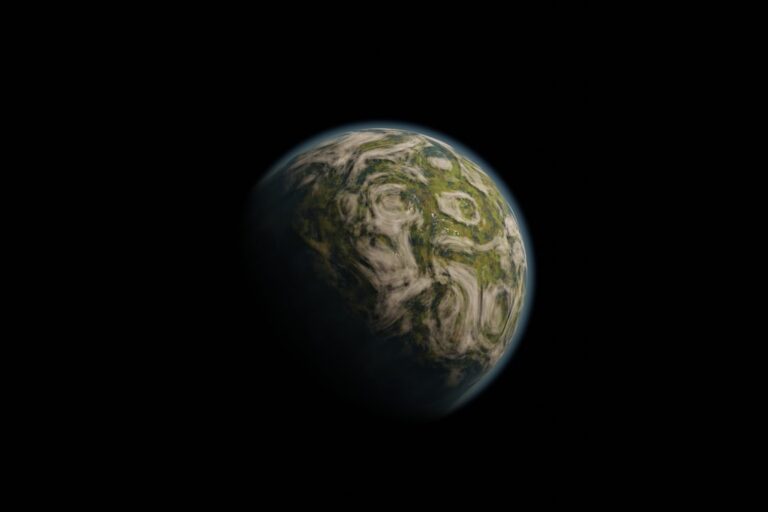
Another important characteristic is the planet’s size and mass. Ideally, a habitable planet should be rocky rather than gaseous, as rocky planets are more likely to have solid surfaces where life could develop. Additionally, a planet with a mass similar to Earth’s is thought to have the right gravitational pull to retain an atmosphere, which is essential for protecting potential life forms from harmful radiation and maintaining stable temperatures.
Tools and Techniques for Detecting Habitable Planets

Detecting planets within the habitable zone involves a variety of sophisticated tools and techniques. One of the most common methods is the transit method, where astronomers observe the dimming of a star’s light as a planet passes in front of it.
This technique allows scientists to determine the size of the planet and its distance from the star, helping to assess whether it lies within the habitable zone.
Another effective technique is radial velocity measurement, which detects wobbles in a star’s position caused by the gravitational pull of an orbiting planet. This method can provide insights into a planet’s mass and orbit, further informing researchers about its potential habitability.
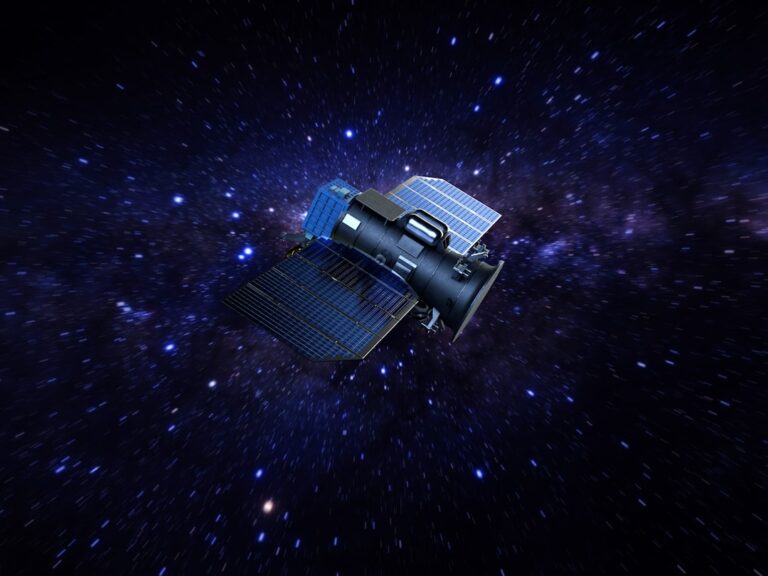
Space telescopes like Kepler and TESS (Transiting Exoplanet Survey Satellite) have been instrumental in identifying numerous exoplanets in habitable zones across various star systems.
The Search for Extraterrestrial Life within the Habitable Zone
The search for extraterrestrial life often focuses on planets located in the habitable zone due to their potential for supporting life. Scientists are particularly interested in finding biosignatures—indicators of life—such as specific gases in a planet’s atmosphere that could suggest biological processes are occurring. For example, the presence of oxygen or methane in significant quantities could hint at life forms similar to those on Earth.
In addition to direct observation, missions like the James Webb Space Telescope aim to analyze the atmospheres of exoplanets in detail. By studying light spectra from these planets, researchers hope to identify chemical signatures that could indicate biological activity. The excitement surrounding these discoveries fuels ongoing research and exploration efforts, as each new finding brings us closer to answering one of humanity’s oldest questions: Are we alone in the universe?
The concept of the Habitable Zone is crucial in the search for extraterrestrial life, as it defines the region around a star where conditions might be just right for liquid water to exist. Understanding this zone can help astronomers identify potentially habitable exoplanets. For a deeper exploration of philosophical perspectives that may influence our understanding of life and existence, you might find this article on Nyaya and Vaiseṣika particularly insightful.
Challenges of Exploring the Habitable Zone
| Planet | Distance from Sun (AU) | Surface Temperature (°C) | Potential for Life |
|---|---|---|---|
| Earth | 1 | 15 | Yes |
| Mars | 1.52 | -65 | Possible |
| Proxima Centauri b | 0.0485 | -39 | Unknown |
Exploring the habitable zone presents numerous challenges that scientists and engineers must navigate. One major hurdle is the vast distances involved; even our closest neighboring star systems are light-years away. Current space travel technology limits our ability to reach these distant worlds within a human lifetime, making robotic missions our primary means of exploration for now.
Additionally, detecting and analyzing exoplanets is complicated by factors such as stellar activity and atmospheric interference. Stars can emit flares or radiation that obscure signals from orbiting planets, complicating data collection. Moreover, distinguishing between natural phenomena and potential biosignatures requires advanced technology and careful analysis, which can be resource-intensive.
The Potential for Colonization within the Habitable Zone
The idea of colonizing planets within the habitable zone sparks both excitement and debate among scientists and futurists alike. If we were to find a suitable candidate—one with Earth-like conditions—colonization could offer humanity a chance to expand beyond our home planet. This could serve as a safeguard against potential global catastrophes or resource depletion on Earth.
However, colonization poses significant challenges. The logistics of transporting humans and necessary supplies across vast distances are daunting. Additionally, establishing sustainable habitats on another planet would require advanced technology and careful planning to ensure that human activities do not disrupt any existing ecosystems or potential life forms.
The Future of Space Exploration within the Habitable Zone
Looking ahead, space exploration within the habitable zone is poised for exciting developments. With advancements in technology, missions targeting exoplanets are becoming more feasible. Future telescopes and space missions are expected to enhance our ability to detect smaller, Earth-like planets and analyze their atmospheres in greater detail.
Moreover, international collaboration in space exploration is likely to increase as countries recognize the importance of understanding our universe. Joint missions could pool resources and expertise, accelerating our quest to find habitable worlds and potentially discover extraterrestrial life.
Ethical and Environmental Considerations of Habitable Zone Exploration
As we venture into exploring habitable zones beyond Earth, ethical and environmental considerations come into play. The potential discovery of extraterrestrial life raises questions about our responsibility toward these worlds. Should we prioritize exploration over preservation? How do we ensure that our activities do not harm ecosystems that may exist on other planets?
Additionally, there are concerns about contamination—both ways. Human missions could inadvertently introduce Earth microbes to other planets, potentially disrupting any existing life forms. Conversely, if we were to discover life on another planet, how would we protect it from human interference? These questions highlight the need for thoughtful policies and guidelines as we continue our exploration of the cosmos.
In conclusion, while the habitable zone offers tantalizing possibilities for discovering new worlds and potentially life beyond Earth, it also presents significant challenges and ethical dilemmas that must be addressed as we move forward in our quest for knowledge about our universe.







+ There are no comments
Add yours