










Microwave cooking has come a long way since its inception in the mid-20th century. The first microwave oven was developed in 1945 by Percy Spencer, an engineer who discovered that microwaves could cook food when he noticed a chocolate bar melting in his pocket. This serendipitous moment led to the creation of the first commercial microwave oven, which was bulky and expensive, primarily used in restaurants and industrial kitchens. Over the decades, advancements in technology made microwaves more accessible to the average household, transforming them from a novelty into a kitchen staple.
By the 1970s and 1980s, microwave ovens became smaller, more affordable, and user-friendly. Manufacturers began to introduce features like preset cooking times and power levels, making it easier for consumers to prepare meals quickly. The introduction of turntables ensured even cooking, while the addition of various cooking modes allowed for versatility in meal preparation. Today, microwaves come equipped with smart technology, enabling users to control them via smartphone apps or voice commands. This evolution reflects not only technological advancements but also changing consumer preferences for convenience and efficiency in cooking.
Microwaves have become an essential part of modern cooking, offering convenience and efficiency in food preparation. For those interested in exploring the broader context of societal practices and institutions that influence our daily lives, a related article can be found at com/india-as-a-plural-society-social-institutions-and-practices/’>India as a Plural Society: Social Institutions and Practices.
This article delves into the diverse social structures that shape various aspects of life, including culinary traditions, which can be enhanced by the use of microwave technology.
Key Takeaways
- Microwave cooking has evolved from a simple popcorn maker to a versatile kitchen appliance capable of cooking a wide variety of foods.
- Cooking with a microwave offers advantages such as faster cooking times, energy efficiency, and the preservation of nutrients in food.
- Microwave cooking can help retain more nutrients in food compared to traditional cooking methods, making it a healthier option.
- Microwave cooking is time and energy efficient, allowing for quick and convenient meal preparation.
- Tips for cooking with a microwave include using microwave-safe containers, covering food to retain moisture, and rotating food for even cooking.
Advantages of Cooking with a Microwave
One of the primary advantages of cooking with a microwave is its speed. Unlike traditional ovens that can take a long time to preheat and cook food, microwaves can heat meals in a fraction of the time. This is particularly beneficial for busy individuals or families who may not have the luxury of spending hours in the kitchen. Whether you’re reheating leftovers or cooking a quick meal from scratch, a microwave can significantly cut down on cooking time.
Another advantage is the ease of use. Most microwave ovens come with simple controls that allow users to set cooking times and power levels with minimal effort. This accessibility makes it an ideal option for those who may not be experienced cooks or who are looking for a straightforward way to prepare meals. Additionally, microwaves are versatile; they can be used for steaming vegetables, defrosting meat, or even baking certain dishes. This multifunctionality means that you can rely on your microwave for a variety of cooking tasks without needing multiple appliances.
Health Benefits of Microwave Cooking
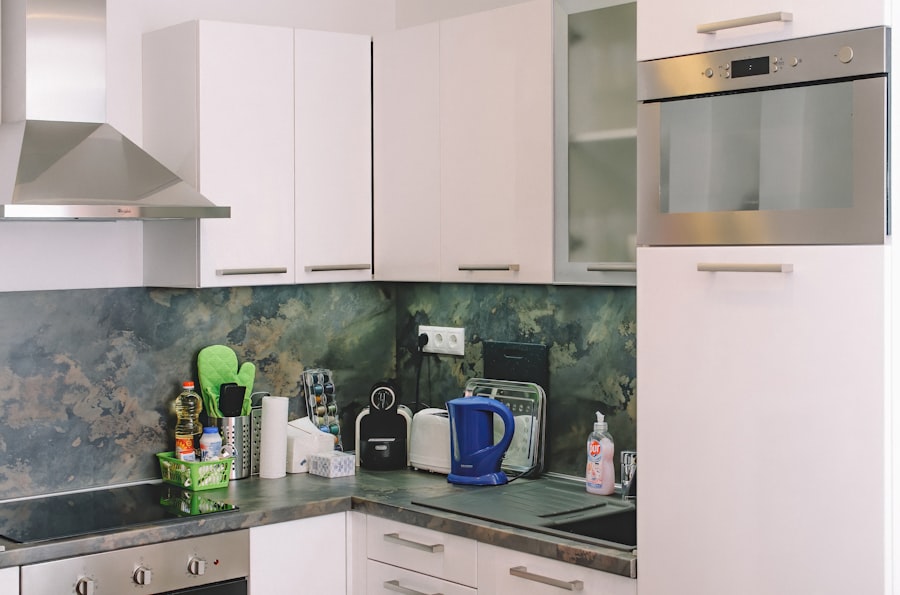
Microwave cooking can also offer several health benefits that are often overlooked. One significant advantage is that it can help retain nutrients in food. Traditional cooking methods, such as boiling or frying, can lead to nutrient loss due to prolonged exposure to heat and water.
In contrast, microwaving typically requires less time and uses minimal water, which helps preserve vitamins and minerals in fruits and vegetables. Moreover, using a microwave can promote healthier cooking methods. For instance, steaming vegetables in the microwave allows them to cook quickly while retaining their color and crunch without the need for added fats or oils.
This method encourages healthier eating habits by making it easier to prepare nutritious meals at home rather than resorting to takeout or processed foods. Additionally, because microwaves cook food quickly, they can help reduce the formation of harmful compounds that may occur during longer cooking processes.
Time and Energy Efficiency

When it comes to time and energy efficiency, microwaves have a clear edge over conventional ovens. The average microwave can cook food in minutes, while traditional ovens often require preheating and longer cooking times. This efficiency not only saves you time but also allows you to prepare meals more spontaneously without extensive planning.
Energy consumption is another area where microwaves shine. They typically use less energy than conventional ovens because they heat food directly rather than warming the entire oven space. This means that if you’re looking to save on your energy bill while still enjoying home-cooked meals, using a microwave can be a smart choice. In fact, studies have shown that microwaves can use up to 80% less energy than conventional ovens for certain tasks, making them an environmentally friendly option as well.
Microwaves have revolutionized the way we cook and heat food, but their impact extends beyond the kitchen.
Understanding the technology life cycle is crucial for grasping how innovations like microwaves evolve and influence various industries.
For a deeper insight into this process, you can explore a related article that discusses the stages of technology development and its implications for future advancements. This comprehensive guide can be found here.
Tips for Cooking with a Microwave
| Metrics | Data |
|---|---|
| Power Output | 800-1200 watts |
| Capacity | 0.5-2.2 cubic feet |
| Turntable Diameter | 10-12 inches |
| Weight | 20-40 pounds |
| Dimensions | 12-20 inches (H) x 18-24 inches (W) x 14-20 inches (D) |
To get the most out of your microwave cooking experience, there are several tips you can follow. First, always use microwave-safe containers. Not all materials are suitable for microwave use; some plastics can warp or leach harmful chemicals when heated. Glass or ceramic containers are generally safe options that won’t react with your food.
Another useful tip is to cover your food while microwaving. This helps retain moisture and ensures even cooking. You can use a microwave-safe lid or even a damp paper towel to cover your dish. Additionally, stirring or rotating your food halfway through cooking can help achieve more uniform results, especially for larger items like casseroles or roasts.
Microwaves have become an essential part of modern cooking, providing a quick and efficient way to heat food. For those interested in exploring the underlying principles of knowledge and understanding, a related article can be found at this link, which delves into the sources of knowledge and how they relate to various technologies, including microwaves. By examining these concepts, one can gain a deeper appreciation for the innovations that shape our daily lives.
Overcoming Common Misconceptions
Despite their many advantages, there are still misconceptions surrounding microwave cooking that can deter people from using them effectively. One common myth is that microwaves destroy the nutrients in food. As mentioned earlier, this is not necessarily true; in fact, microwaving can help preserve nutrients better than some traditional cooking methods.
Another misconception is that microwaved food lacks flavor or texture. While it’s true that some dishes may not achieve the same crispiness as those cooked in an oven, there are ways to enhance flavor when using a microwave. For example, adding herbs and spices before cooking can infuse your food with taste, while using techniques like browning sauces or finishing dishes under a broiler can improve texture.
Microwave Cooking for Busy Lifestyles
In today’s fast-paced world, many people find themselves juggling work, family commitments, and social activities, leaving little time for meal preparation. Microwaves offer a practical solution for those with busy lifestyles by allowing quick meal prep without sacrificing quality or nutrition. Whether you’re reheating last night’s dinner or whipping up a quick vegetable stir-fry, the microwave can be your best friend when time is tight.
Meal prepping is another area where microwaves shine. You can prepare large batches of food over the weekend and store them in individual portions to be reheated throughout the week. This not only saves time but also encourages healthier eating habits by reducing reliance on fast food or takeout options during hectic weekdays.
The Future of Microwave Technology
As technology continues to advance, so does the potential for microwave cooking innovations. Smart microwaves equipped with sensors and artificial intelligence are already hitting the market, allowing users to cook food perfectly every time by automatically adjusting cooking times and power levels based on the type of food being prepared.
Looking ahead, we may see even more integration of smart technology into microwave ovens, such as connectivity with other kitchen appliances or integration with meal planning apps. These advancements could further streamline meal preparation and make cooking more intuitive and efficient than ever before.
In conclusion, microwave cooking has evolved significantly over the years and offers numerous advantages that cater to modern lifestyles. From health benefits to time efficiency and innovative technology on the horizon, it’s clear that microwaves will continue to play an essential role in our kitchens for years to come. Whether you’re a seasoned chef or just starting out, embracing microwave cooking can enhance your culinary experience while fitting seamlessly into your busy life.











+ There are no comments
Add yours