









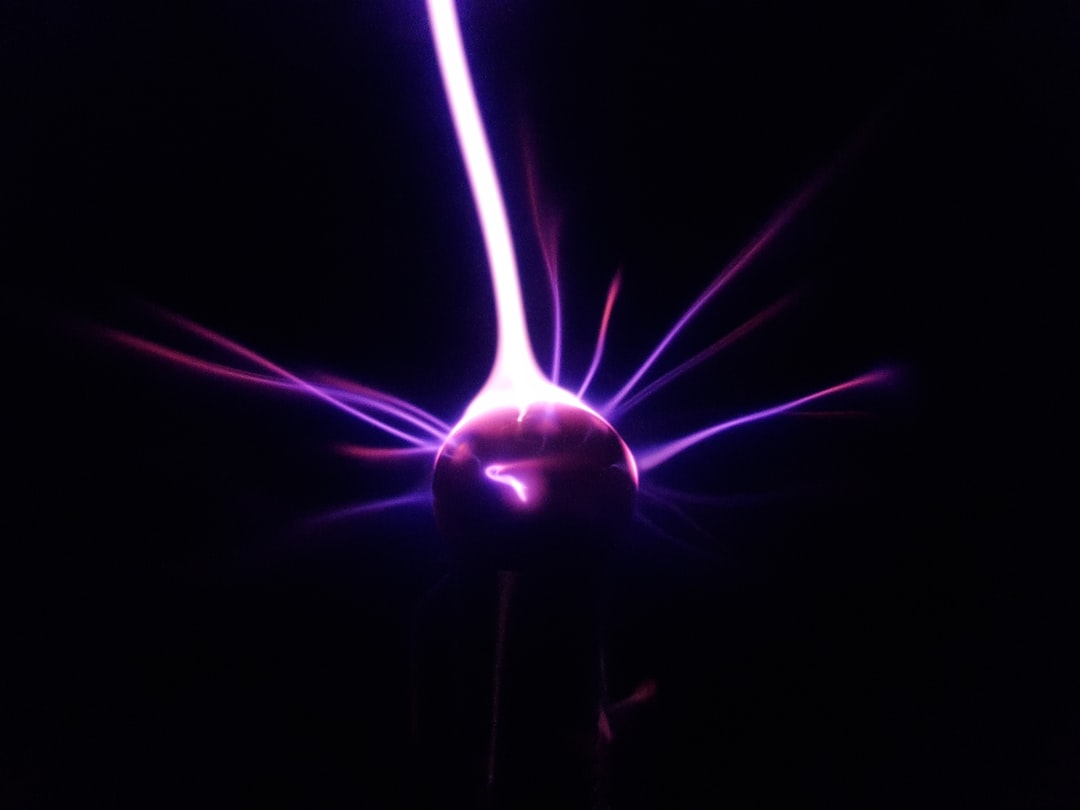
Plasma is often referred to as the fourth state of matter, alongside solid, liquid, and gas. It consists of ionized gas, where a significant portion of the particles are charged ions and free electrons. This unique state of matter is not just a scientific curiosity; it plays a crucial role in various fields, particularly in medicine. Understanding plasma’s properties and applications can shed light on its potential to revolutionize healthcare.
In the medical realm, plasma is not just a theoretical concept; it has practical applications that are making waves in treatment methodologies. From enhancing wound healing to offering new avenues in cancer therapy, plasma is proving to be a versatile tool. As we delve deeper into its roles, we’ll explore how this fascinating state of matter is being harnessed to improve patient outcomes and advance medical technology.
Plasma, as a state of matter, plays a crucial role in various scientific fields, including physics and engineering. For those interested in exploring the broader implications of plasma in societal contexts, the article on sociology titled “Discipline and Perspective” provides an insightful perspective on how scientific advancements, such as the study of plasma, can influence social structures and cultural perceptions. You can read more about this intriguing intersection of science and society in the article found here: Discipline and Perspective.
Key Takeaways
- Plasma is the fourth state of matter, consisting of ionized gas with positive and negative charged particles.
- Plasma plays a crucial role in medical treatment, from sterilizing medical devices to treating various medical conditions.
- Plasma technology is used in medical devices for sterilization, surface modification, and drug delivery systems.
- Plasma therapy has shown promising results in wound healing by promoting tissue regeneration and reducing infection.
- Plasma is being researched for its potential in cancer treatment, dentistry, ophthalmology, and holds promise for future medical applications.
The Role of Plasma in Medical Treatment
Plasma has been utilized in medical treatments for decades, primarily in the form of blood plasma. Blood plasma is the liquid component of blood that carries cells, nutrients, hormones, and waste products. It plays a vital role in maintaining blood pressure and volume, as well as transporting essential proteins and antibodies throughout the body. In transfusions, plasma can be critical for patients who have suffered significant blood loss or have clotting disorders.
Beyond blood transfusions, plasma is also being explored for its therapeutic properties. For instance, platelet-rich plasma (PRP) therapy has gained popularity in various medical fields. This treatment involves concentrating platelets from a patient’s own blood and injecting them into areas needing healing or regeneration. PRP has shown promise in orthopedics, sports medicine, and even cosmetic procedures, as it can stimulate tissue repair and reduce inflammation.
Plasma Technology in Medical Devices

The integration of plasma technology into medical devices is an exciting frontier in healthcare innovation. Plasma can be used to modify surfaces of medical instruments, enhancing their biocompatibility and reducing the risk of infection. For example, plasma treatment can create a hydrophilic surface on implants, which promotes better integration with surrounding tissues and reduces rejection rates.
Moreover, plasma technology is being harnessed to develop advanced sterilization methods. Cold atmospheric plasma (CAP) has emerged as a powerful tool for disinfecting surgical instruments and hospital environments. Unlike traditional sterilization methods that often rely on heat or chemicals, CAP can effectively kill bacteria and viruses at lower temperatures, making it safer for sensitive equipment and reducing the risk of damage.
Plasma Therapy for Wound Healing
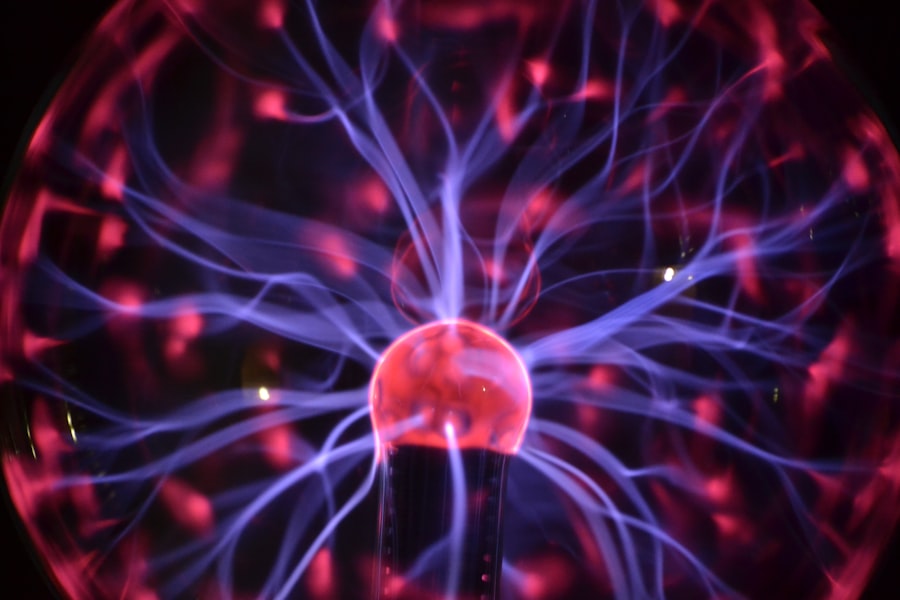
Wound healing is another area where plasma therapy is making significant strides. The application of cold plasma to wounds has been shown to accelerate healing by promoting cell proliferation and reducing inflammation. This method works by generating reactive species that can stimulate cellular processes essential for tissue repair.
Clinical studies have demonstrated that plasma therapy can be particularly effective for chronic wounds that do not respond well to conventional treatments. For patients with diabetic ulcers or pressure sores, cold plasma treatment can provide a non-invasive option that enhances healing rates and improves overall quality of life. As research continues, we may see more widespread adoption of this innovative approach in wound care.
Plasma, a state of matter distinct from solids, liquids, and gases, plays a crucial role in various scientific fields, including astrophysics and fusion energy research. For those interested in exploring the philosophical implications of mathematics that underpin these scientific concepts, a related article can provide valuable insights. You can read more about this fascinating intersection in the article on the com/principals-of-mathematics-philosophy-of-mathematics/’>principles of mathematics and its philosophy.
Understanding these foundational ideas can enhance our comprehension of complex phenomena like plasma behavior in different environments.
Plasma in Cancer Treatment
| Property | Value |
|---|---|
| Temperature | 10,000 to 1,000,000 K |
| Density | 10^15 to 10^19 particles per cubic meter |
| State of Matter | Fourth state of matter |
| Conductivity | Highly conductive |
The potential of plasma in cancer treatment is an area of intense research and excitement. Scientists are exploring how cold plasma can selectively target cancer cells while sparing healthy tissue. The reactive species generated by cold plasma can induce apoptosis (programmed cell death) in cancer cells, making it a promising adjunct to traditional therapies like chemotherapy and radiation.
One of the advantages of using plasma in oncology is its ability to penetrate tumors without the need for invasive procedures. This non-contact method could lead to fewer side effects compared to conventional treatments. Early clinical trials are underway to assess the efficacy of plasma-based therapies in various types of cancer, and initial results are encouraging.
Plasma technology has been gaining significant attention in various fields, including electronics and healthcare, due to its unique properties and applications. For those interested in exploring the broader context of technological advancements, a related article discusses the intricacies of the technology life cycle and its impact on innovation. You can read more about it in this comprehensive guide on the subject. Understanding these cycles can provide valuable insights into how plasma technology fits into the larger picture of technological development. For further details, check out the article One exciting area of exploration is the use of plasma in regenerative medicine, where it could play a role in tissue engineering and organ regeneration. Additionally, as our understanding of plasma biology deepens, we may uncover novel applications in treating autoimmune diseases or enhancing vaccine efficacy. The versatility of plasma technology suggests that its integration into medical practice will only expand over time. In conclusion, the role of plasma in medicine is multifaceted and evolving rapidly. From enhancing wound healing to offering new avenues for cancer treatment and beyond, its potential is vast. As research continues to unfold, we can expect to see even more innovative applications that could transform patient care and improve health outcomes across various medical disciplines.








+ There are no comments
Add yours