









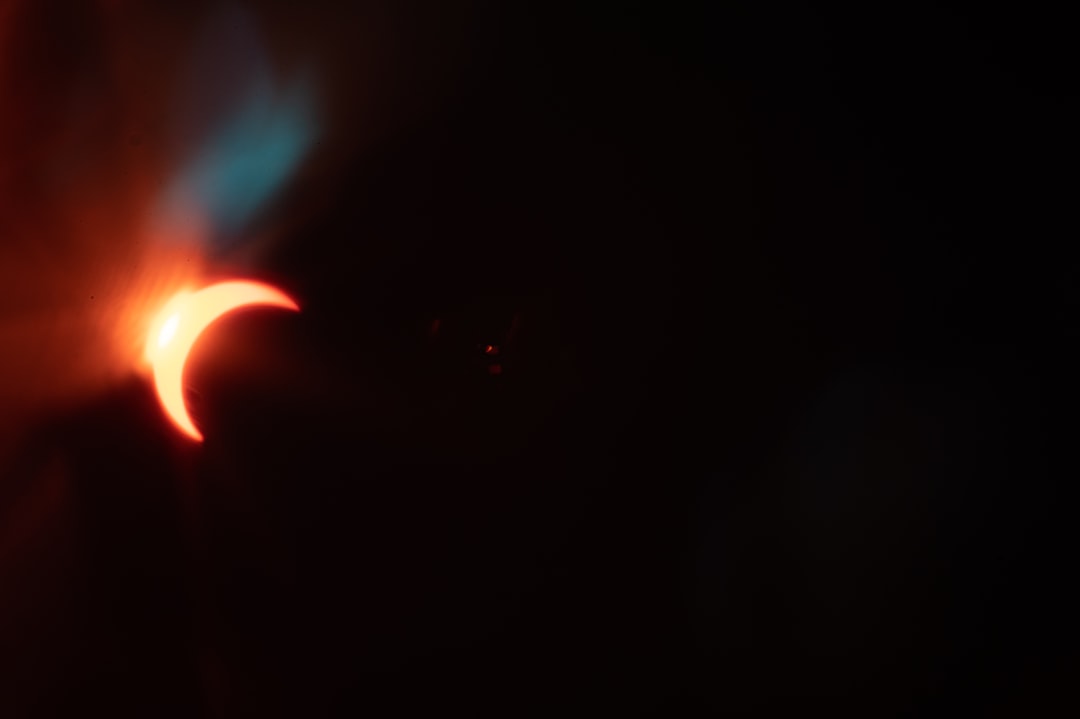
The ecliptic is an essential concept in astronomy, representing the apparent path of the Sun across the celestial sphere as observed from Earth. This path is not a straight line but rather a circular arc that reflects the tilt of Earth’s axis and its orbit around the Sun. The ecliptic plane is defined as the imaginary plane that extends out from Earth’s orbit, and it serves as a reference point for celestial coordinates. The ecliptic is inclined at an angle of approximately 23.5 degrees to the celestial equator, which is a projection of Earth’s equator into space.
In addition to its significance in defining the Sun’s movement, the ecliptic also serves as a reference for the positions of other celestial bodies, including planets and asteroids. Most planets in our solar system orbit the Sun in a plane that is close to the ecliptic, making it a crucial framework for understanding their positions and movements. The ecliptic is divided into twelve sections, each corresponding to one of the zodiac signs, which have been used for millennia in various cultural contexts.
The concept of the ecliptic is deeply intertwined with ancient astronomical observations and philosophical inquiries, as explored in the article on ancient Greek philosophy. This piece delves into the thoughts of early thinkers such as Thales, Anaximander, and Pythagoras, who laid the groundwork for our understanding of celestial phenomena. For a deeper insight into how these philosophers approached the cosmos and its movements, you can read the article here: As scientists continue to explore these avenues, research related to the ecliptic will likely remain at the forefront of astronomical inquiry. In conclusion, the ecliptic serves as a fundamental concept in astronomy that influences various aspects of life on Earth and beyond. Its historical significance, cultural implications, and modern applications highlight its enduring relevance in both scientific and societal contexts. As research progresses, our understanding of this celestial path will continue to deepen, revealing new insights into our universe and our place within it.











+ There are no comments
Add yours