









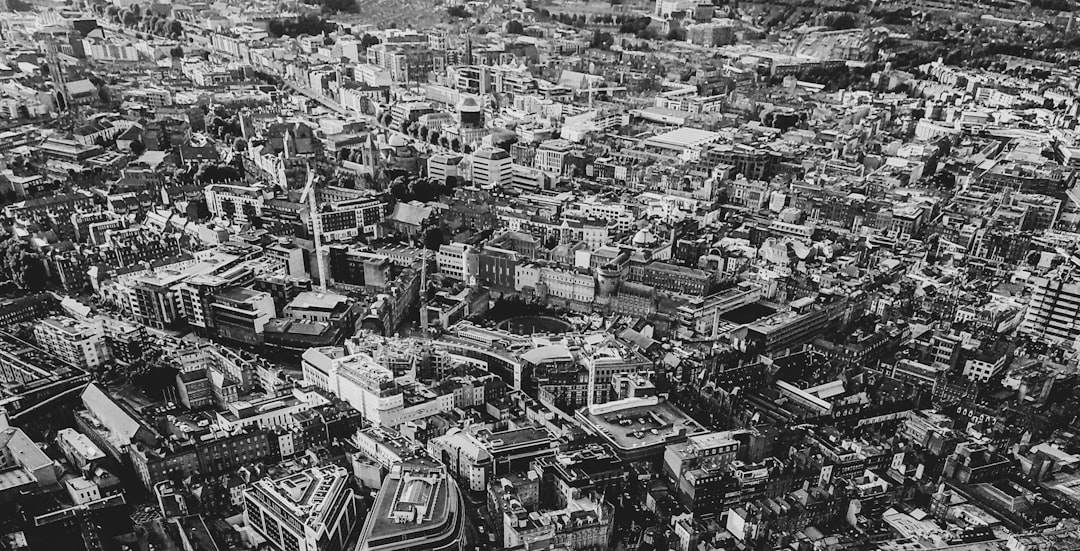
Urbanization refers to the increasing population shift from rural to urban areas, a phenomenon that has been accelerating since the Industrial Revolution. This process involves not only the growth of cities but also the transformation of social, economic, and environmental dynamics. As people migrate to urban centers in search of better opportunities, cities expand in both size and complexity.
Urbanization is often driven by various factors, including economic opportunities, improved living standards, and access to services such as education and healthcare.
The global trend of urbanization has profound implications for societies, economies, and the environment.
The historical context of urbanization reveals its significance in shaping human civilization. From ancient cities like Mesopotamia and Rome to modern megacities such as Tokyo and New York, urban centers have served as hubs of culture, commerce, and innovation. Today, more than half of the world’s population resides in urban areas, a figure projected to rise in the coming decades. This demographic shift presents both opportunities and challenges that require careful consideration and planning. Understanding urbanization is essential for policymakers, urban planners, and communities as they navigate the complexities of modern living.
Urbanization significantly influences economic development, shaping labor markets, infrastructure, and social dynamics in urban areas. For a deeper understanding of how mathematical concepts can play a role in analyzing urbanization and its economic impact, you may find the article on the evolution of mathematical concepts, which explores geometry, zero, and negative numbers, particularly insightful. You can read it here: The Evolution of Mathematical Concepts: Exploring Geometry, Zero, and Negative Numbers.
Key Takeaways
- Urbanization drives economic growth by concentrating resources and talent in cities.
- It creates diverse job opportunities, boosting employment rates.
- Rapid urbanization poses challenges like overcrowding, pollution, and inadequate infrastructure.
- Developing robust urban infrastructure is crucial for sustaining economic development.
- Sustainable urbanization balances growth with environmental and social well-being.
Economic Benefits of Urbanization
Urbanization can lead to significant economic benefits for both individuals and societies. One of the primary advantages is the concentration of resources and talent in urban areas, which fosters innovation and productivity. Cities often serve as engines of economic growth, providing a diverse range of job opportunities across various sectors. The agglomeration of businesses and industries in urban settings can lead to increased efficiency, as companies benefit from proximity to suppliers, customers, and skilled labor. This clustering effect can enhance competitiveness and drive economic development.
Moreover, urban areas typically offer better access to infrastructure and services that support economic activities. Transportation networks, communication systems, and utilities are often more developed in cities than in rural areas. This infrastructure facilitates trade and commerce, allowing businesses to operate more effectively. Additionally, urbanization can lead to increased tax revenues for local governments, which can be reinvested into public services and infrastructure improvements. As cities grow, they can attract investments that further stimulate economic activity and enhance the overall quality of life for residents.
Challenges of Urbanization
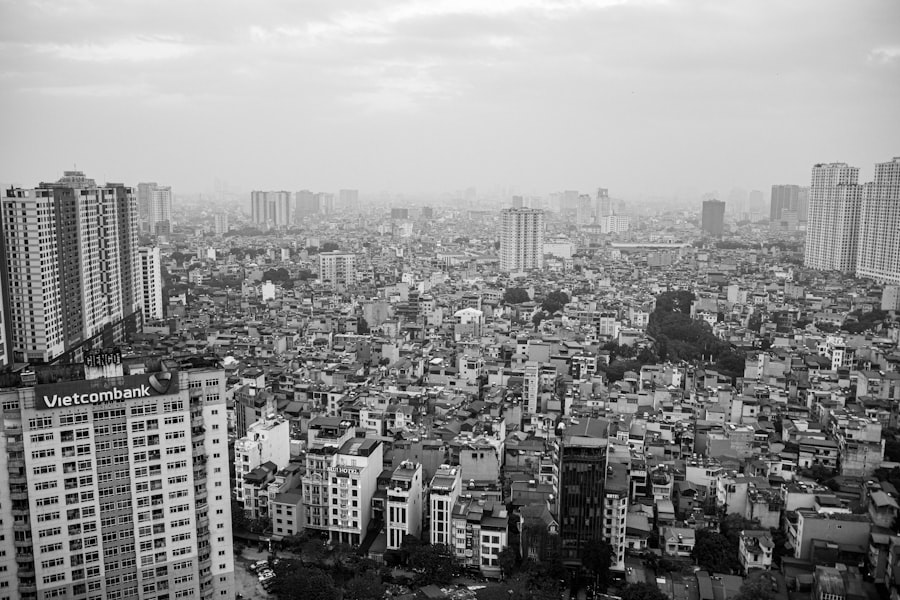
Despite its economic advantages, urbanization also presents a range of challenges that must be addressed. One significant issue is the strain on infrastructure and public services. Rapid population growth can overwhelm existing systems, leading to traffic congestion, inadequate housing, and insufficient access to clean water and sanitation. In many cities, the demand for services outpaces supply, resulting in disparities in living conditions among different neighborhoods. This uneven development can exacerbate social inequalities and create tensions within communities.
Another challenge associated with urbanization is environmental degradation. The expansion of cities often leads to increased pollution, loss of green spaces, and higher energy consumption. Urban areas are major contributors to greenhouse gas emissions, which have implications for climate change. Additionally, the conversion of natural landscapes into urban environments can disrupt ecosystems and biodiversity. Addressing these environmental concerns requires sustainable planning practices that balance economic growth with ecological preservation.
Urban Infrastructure and Economic Development
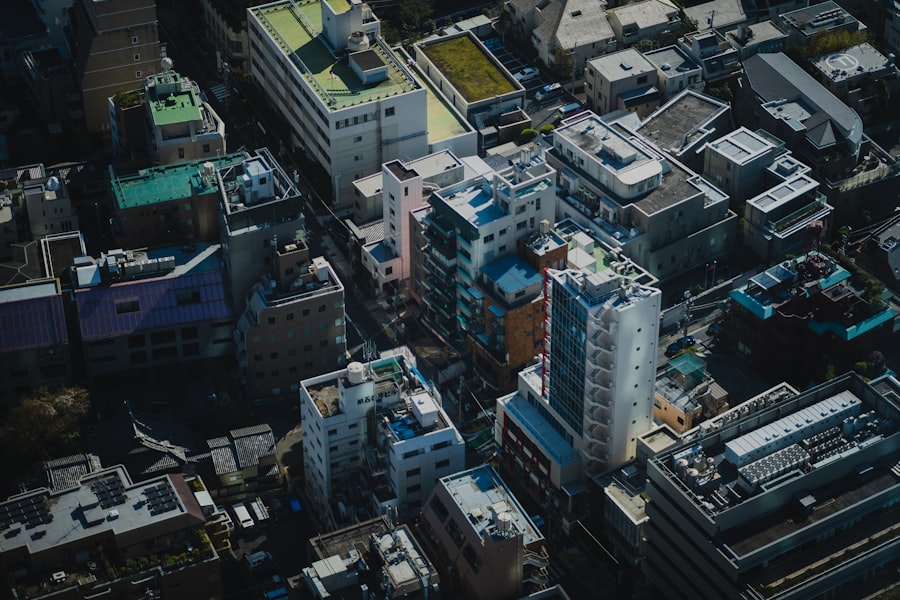
The relationship between urban infrastructure and economic development is critical in understanding the dynamics of urbanization. Well-planned infrastructure is essential for facilitating economic activities and improving the quality of life for residents. Transportation systems, such as roads, railways, and public transit, play a vital role in connecting people to jobs and services. Efficient infrastructure reduces travel times and costs, making it easier for businesses to operate and for individuals to access employment opportunities.
Investment in urban infrastructure also has multiplier effects on the economy. For instance, improved transportation networks can attract new businesses to an area, leading to job creation and increased economic output. Additionally, infrastructure development can enhance property values and stimulate real estate markets. However, the challenge lies in ensuring that infrastructure investments are equitable and sustainable. Policymakers must prioritize projects that address the needs of all residents while minimizing environmental impacts.
Urbanization significantly influences economic development, shaping labor markets, infrastructure, and social dynamics in cities. A related article that delves into the philosophical underpinnings of language and meaning, which can indirectly affect how urbanization is perceived and discussed, can be found at this link. Understanding the nuances of language and communication is essential in addressing the challenges and opportunities presented by urban growth, as it frames the discourse around economic policies and community engagement.
Urbanization and Job Creation
| Metric | Value | Unit | Year | Notes |
|---|---|---|---|---|
| Urban Population | 4.4 | billion | 2023 | Global urban population |
| Urbanization Rate | 56.2 | percent | 2023 | Percentage of total population living in urban areas |
| GDP Contribution from Urban Areas | 80 | percent | 2023 | Share of global GDP generated by urban regions |
| Annual Urban Growth Rate | 1.8 | percent | 2023 | Average yearly increase in urban population |
| Employment in Urban Areas | 70 | percent | 2023 | Percentage of workforce employed in urban sectors |
| Urban Infrastructure Investment | 1.5 | trillion | 2023 | Global annual investment in urban infrastructure |
| Urban Poverty Rate | 23 | percent | 2023 | Percentage of urban population living below poverty line |
| Average Urban Household Income | 35,000 | USD equivalent | 2023 | Mean annual income per urban household |
Urbanization is closely linked to job creation, as cities tend to offer a wider array of employment opportunities compared to rural areas. The concentration of industries and services in urban centers creates a dynamic labor market where individuals can find jobs that match their skills and aspirations. This concentration also fosters entrepreneurship, as urban environments provide access to resources such as capital, mentorship, and networking opportunities.
However, the nature of job creation in urban areas can vary significantly based on local economic conditions and policies. While some cities experience robust job growth in high-skilled sectors such as technology and finance, others may face challenges related to unemployment or underemployment in low-skilled industries. Additionally, the informal economy often thrives in urban settings, providing livelihoods for many but lacking job security and benefits. Addressing these disparities requires targeted policies that promote inclusive economic growth and support workforce development initiatives.
Urbanization significantly influences economic development, shaping labor markets, infrastructure, and social dynamics in cities. A related article that explores the philosophical implications of urbanization and its impact on society can be found at













+ There are no comments
Add yours