









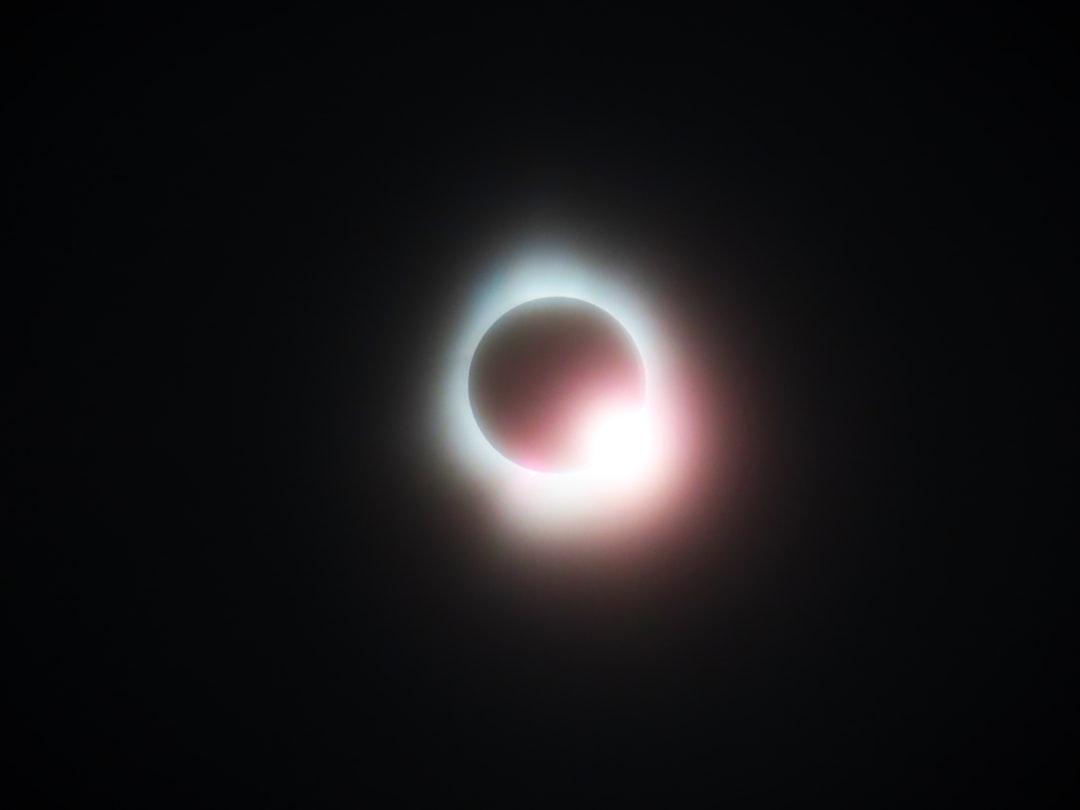
Solar flares are among the most powerful and energetic phenomena in our solar system, representing a dramatic release of energy from the sun’s surface. These explosive bursts of radiation can occur in a matter of minutes and are often associated with sunspots and solar magnetic activity. The sun, a massive ball of plasma, is constantly undergoing complex processes that can lead to these sudden outbursts.
Understanding solar flares is crucial not only for astrophysics but also for their implications on Earth and human technology. The fascination with solar flares extends beyond mere scientific inquiry; they have profound effects on our planet and its inhabitants. As we delve deeper into the nature of these solar events, we uncover their intricate relationship with the sun’s magnetic field and the broader implications for space weather.
The study of solar flares is not just an academic pursuit; it has real-world consequences that can affect everything from satellite communications to power grids on Earth.
Key Takeaways
- Solar flares are intense bursts of radiation from the sun caused by magnetic energy release.
- They can disrupt Earth’s atmosphere, affecting communication and navigation systems.
- Strong solar flares pose risks to satellites, power grids, and astronaut safety.
- Monitoring and predicting solar flares help mitigate their impact on technology and infrastructure.
- Understanding solar flares offers potential for harnessing solar energy and improving space weather forecasting.
The Science Behind Solar Flares
At the heart of solar flares lies the sun’s magnetic field, which is generated by the movement of electrically charged plasma within its interior. This magnetic field is not uniform; it is dynamic and can become twisted and tangled due to the sun’s rotation and convection currents. When the magnetic field lines become sufficiently stressed, they can snap and reconnect in a process known as magnetic reconnection.
This reconnection releases vast amounts of energy, equivalent to millions of hydrogen bombs exploding simultaneously. The energy released during a solar flare manifests in various forms, including electromagnetic radiation across the spectrum—from radio waves to gamma rays. The intensity of a solar flare is classified into categories based on its X-ray emissions, with X-class flares being the most powerful.
For instance, an X2 flare is twice as intense as an X1 flare, while an M-class flare is considered medium strength. The classification system helps scientists gauge the potential impact of these events on Earth and in space.
Impact of Solar Flares on Earth
When solar flares erupt, they can have immediate and far-reaching effects on Earth’s atmosphere and magnetosphere. The most direct impact comes from the intense burst of radiation that travels at the speed of light, reaching Earth in approximately eight minutes.
Pilots and navigators often experience degraded signals during significant solar flare events. Moreover, solar flares can also influence the Earth’s ionosphere, a layer of the atmosphere that plays a vital role in radio wave propagation.
Changes in ionospheric density can lead to phenomena such as scintillation, where radio signals become distorted or temporarily lost. This can pose challenges for GPS systems, which rely on precise timing and positioning data. The impact on navigation systems underscores the importance of monitoring solar activity for both civilian and military applications.
Potential Dangers of Solar Flares
While many effects of solar flares are disruptive, some pose serious risks to both technology and human health. One of the most concerning potential dangers is the impact on satellites orbiting Earth. A strong solar flare can produce a surge of energetic particles that can damage satellite electronics, degrade sensors, and even lead to complete satellite failure.
For instance, in 1989, a powerful solar storm caused a blackout of Hydro-Québec’s power grid in Canada, illustrating how solar activity can have catastrophic consequences. In addition to technological risks, there are also health concerns for astronauts and airline crews flying at high altitudes during solar events. The increased radiation exposure from solar flares can elevate cancer risk and other health issues for individuals in these environments.
Space agencies like NASA closely monitor solar activity to ensure that astronauts are shielded from harmful radiation during missions outside Earth’s protective atmosphere.
Solar Flares and Technology
| Metric | Description | Typical Range | Units |
|---|---|---|---|
| Classification | Categories based on X-ray brightness | A, B, C, M, X | Class |
| Peak X-ray Flux | Maximum X-ray flux measured during flare | 10⁻⁸ to 10⁻³ | Watts/m² (1-8 Å band) |
| Duration | Time from start to end of flare | Minutes to hours | Minutes |
| Energy Released | Total energy output during flare | 10²⁹ to 10³² | ergs |
| Frequency | Number of flares per day during solar maximum | Up to 10 | Flares/day |
| Associated Phenomena | Other solar events linked to flares | Coronal Mass Ejections, Solar Proton Events | — |
The relationship between solar flares and technology is multifaceted, encompassing both vulnerabilities and opportunities. On one hand, modern society’s reliance on technology makes it increasingly susceptible to disruptions caused by solar activity. Power grids, communication networks, and satellite systems are all at risk during significant solar events.
For example, during the 2012 solar storm known as the “Carrington Event,” experts estimated that a similar event today could cause trillions of dollars in damage due to widespread power outages and communication failures. Conversely, understanding solar flares also presents opportunities for technological advancements. Researchers are developing better forecasting models to predict solar activity more accurately, allowing for proactive measures to protect critical infrastructure.
Innovations in materials science are also being explored to create more resilient satellite components that can withstand the harsh conditions associated with solar flares. As we continue to advance our understanding of these phenomena, we may find ways to harness their energy for beneficial purposes.
Predicting and Monitoring Solar Flares
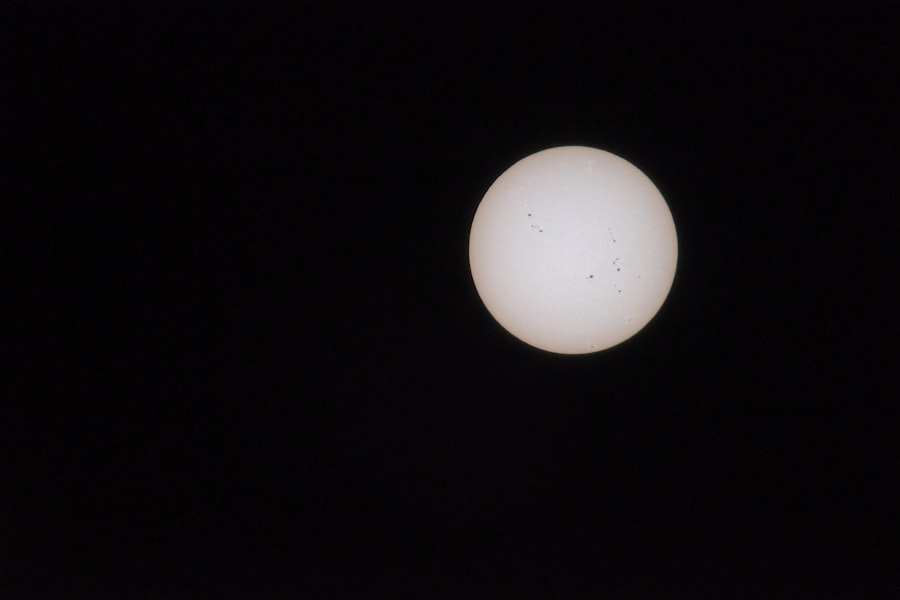
The ability to predict solar flares has improved significantly over the past few decades due to advancements in observational technology and data analysis techniques. Space-based observatories like NASA’s Solar Dynamics Observatory (SDO) and the European Space Agency’s Solar Orbiter provide real-time data on solar activity, allowing scientists to monitor changes in the sun’s magnetic field and identify potential flare-producing regions. Predictive models utilize a combination of observational data and computer simulations to forecast solar flares’ likelihood and intensity.
These models analyze factors such as sunspot formation, magnetic field strength, and historical flare patterns to generate predictions. While predicting the exact timing and magnitude of a flare remains challenging, ongoing research aims to refine these models further, enhancing our ability to anticipate solar events.
Mitigating the Effects of Solar Flares
Mitigating the effects of solar flares involves a multi-faceted approach that includes technological solutions, public awareness campaigns, and international cooperation. For instance, power companies are investing in grid resilience measures that can help protect against geomagnetic storms induced by solar flares. This includes installing protective devices that can divert surges caused by solar activity away from critical components.
Public awareness is equally important; educating individuals about the potential impacts of solar flares can help communities prepare for disruptions. Governments and organizations are working together to develop response plans that outline steps to take during significant solar events. Additionally, international collaboration among space agencies enhances data sharing and improves global preparedness for space weather events.
Harnessing the Power of Solar Flares
As we continue to explore the complexities of solar flares, it becomes evident that these phenomena hold both challenges and opportunities for humanity. While their unpredictable nature poses risks to technology and human health, advancements in monitoring and predictive capabilities offer pathways to mitigate these dangers effectively. Furthermore, as our understanding deepens, we may discover innovative ways to harness the energy released during solar flares for sustainable applications.
The future of our relationship with solar flares will likely involve a blend of caution and curiosity as we strive to protect our technological infrastructure while exploring new frontiers in energy utilization. By embracing both scientific inquiry and practical solutions, we can navigate the intricate dance between our planet and its dynamic star, ensuring that we remain resilient in the face of cosmic forces beyond our control.
Solar flares are powerful bursts of radiation from the sun that can have significant effects on space weather and technology on Earth. Understanding these phenomena is crucial for predicting their impact on satellite communications and power grids. For those interested in exploring more about the intricate relationships in scientific concepts, you might find the article on









+ There are no comments
Add yours