









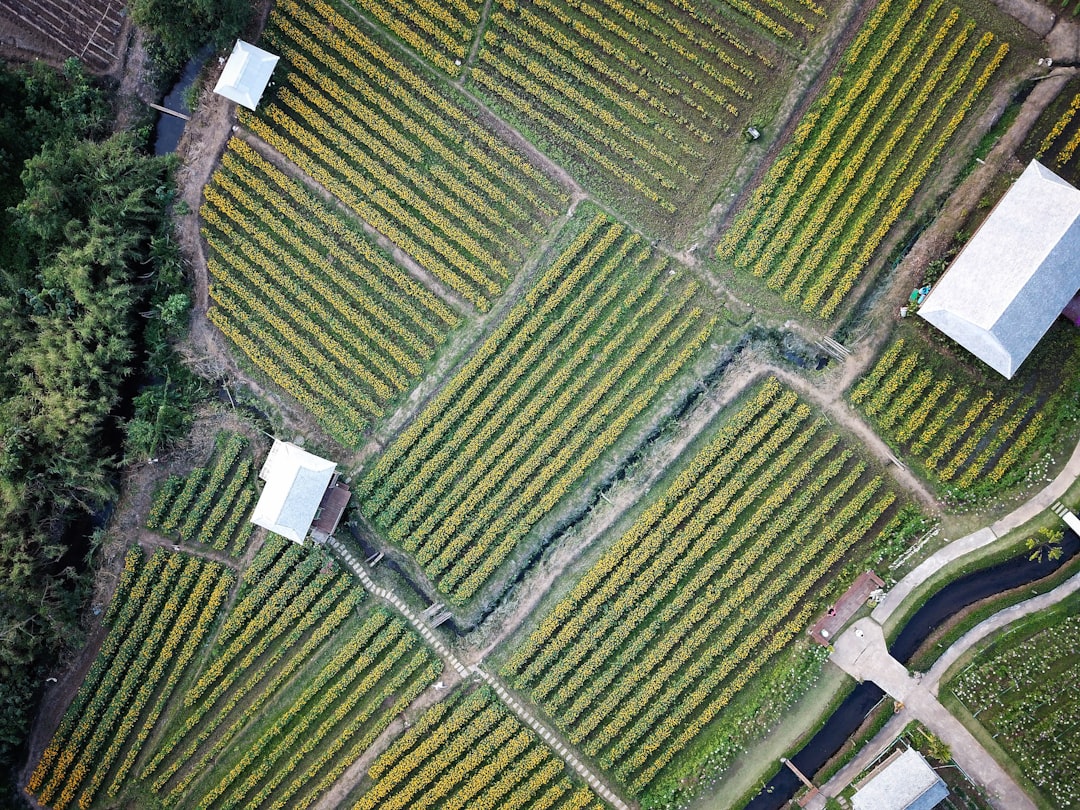
Irrigation plays a pivotal role in Indian agriculture, serving as a lifeline for millions of farmers across the country. With approximately 60% of India’s agricultural land relying on rainfall, the unpredictability of monsoons poses a significant challenge. The Indian subcontinent experiences a diverse range of climatic conditions, leading to variations in rainfall patterns that can be detrimental to crop yields.
In regions where rainfall is insufficient or erratic, irrigation systems become essential for ensuring consistent agricultural productivity. The introduction of irrigation has allowed farmers to cultivate multiple crops throughout the year, thereby enhancing food security and improving livelihoods. Moreover, irrigation contributes to the overall economic stability of rural communities.
It enables farmers to diversify their crops, moving beyond traditional staples to include high-value crops such as fruits and vegetables. This diversification not only increases income but also reduces the risk associated with monoculture farming. For instance, states like Punjab and Haryana have seen significant agricultural advancements due to extensive irrigation networks, which have transformed them into the breadbasket of India.
The Green Revolution, which began in the 1960s, was largely fueled by the expansion of irrigation facilities, leading to increased production of wheat and rice. Thus, the importance of irrigation in Indian agriculture cannot be overstated; it is a critical factor in enhancing productivity, ensuring food security, and improving the economic conditions of farmers.
Key Takeaways
- Irrigation is crucial for enhancing agricultural productivity and ensuring food security in India.
- Famines severely affect rural communities, leading to loss of livelihoods and increased vulnerability.
- Famine often exacerbates rural debt, trapping farmers in cycles of poverty.
- Government policies focus on improving irrigation infrastructure and providing financial support to mitigate famine and debt.
- Community-driven initiatives play a vital role in addressing local challenges related to irrigation, famine, and rural debt.
The Impact of Famine on Rural Communities in India
Famine has historically had devastating effects on rural communities in India, leading to widespread suffering and economic distress. The agrarian economy is particularly vulnerable to fluctuations in climate and crop failures, which can result in food shortages and famine conditions. During periods of drought or excessive rainfall, crop yields plummet, leaving farmers unable to sustain their families or repay debts.
The psychological impact of famine on rural communities is profound. Families often face the trauma of losing their crops and livestock, which are not just sources of income but also integral to their cultural identity and way of life.
The stress associated with food insecurity can lead to mental health issues, including anxiety and depression. Furthermore, children are particularly vulnerable during famine conditions; malnutrition can hinder their physical and cognitive development, perpetuating a cycle of poverty that can last for generations. The social fabric of rural communities can also be strained as families compete for dwindling resources, leading to conflicts and a breakdown of traditional support systems.
The Connection Between Famine and Rural Debt in India
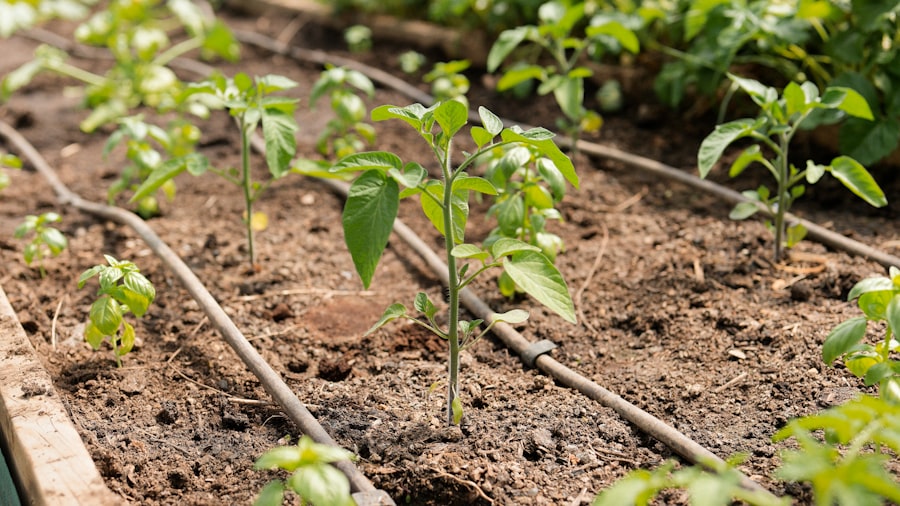
The relationship between famine and rural debt in India is complex and deeply intertwined. When farmers face crop failures due to drought or flooding, they often resort to borrowing money to sustain their families and maintain their livelihoods. This reliance on credit can lead to a vicious cycle of debt that is difficult to escape.
High-interest loans from informal lenders exacerbate the situation; when farmers are unable to repay these loans due to poor harvests, they may be forced to take out additional loans, leading to an ever-increasing debt burden. The impact of this debt crisis is particularly acute in regions that are prone to recurrent famines. For example, states like Maharashtra and Odisha have witnessed significant farmer suicides attributed to insurmountable debt levels exacerbated by failed crops.
The inability to repay loans not only leads to financial ruin but also affects the mental well-being of farmers and their families. As debts accumulate, farmers may lose their land or assets, further entrenching them in poverty. This cycle highlights the urgent need for comprehensive solutions that address both the immediate impacts of famine and the underlying issues related to rural debt.
Government Policies and Programs to Address Irrigation, Famine, and Rural Debt
Recognizing the critical challenges posed by irrigation deficits, famine conditions, and rural debt, the Indian government has implemented various policies and programs aimed at alleviating these issues. One notable initiative is the Pradhan Mantri Krishi Sinchai Yojana (PMKSY), launched in 2015, which aims to enhance irrigation coverage across the country. This program focuses on creating efficient irrigation systems through micro-irrigation techniques such as drip and sprinkler irrigation, which conserve water while maximizing crop yield.
By promoting sustainable irrigation practices, the government seeks to reduce dependency on monsoon rains and improve agricultural resilience. In addition to irrigation initiatives, the government has introduced measures to address rural debt through schemes like the Kisan Credit Card (KCC) program. This initiative provides farmers with access to credit at lower interest rates, enabling them to invest in their farms without falling prey to exploitative lending practices.
Furthermore, the government has established various insurance schemes, such as the Pradhan Mantri Fasal Bima Yojana (PMFBY), which offers financial protection against crop losses due to natural calamities. These policies aim not only to mitigate the immediate impacts of famine but also to create a more stable economic environment for farmers.
Community Initiatives to Tackle Irrigation, Famine, and Rural Debt in India
| Year | Irrigated Area (million hectares) | Famine Incidents | Rural Debt (billion INR) | Percentage of Farmers in Debt (%) | Notes |
|---|---|---|---|---|---|
| 1950 | 22 | 5 | 15 | 35 | Post-independence period, limited irrigation infrastructure |
| 1960 | 30 | 3 | 25 | 40 | Green Revolution begins, some improvement in irrigation |
| 1970 | 40 | 2 | 40 | 45 | Expansion of canal and tube well irrigation |
| 1980 | 50 | 1 | 60 | 50 | Increased use of groundwater irrigation |
| 1990 | 60 | 1 | 85 | 55 | Introduction of micro-irrigation techniques |
| 2000 | 70 | 0 | 110 | 60 | Improved irrigation coverage, reduced famine incidents |
| 2010 | 80 | 0 | 140 | 65 | Increased rural debt despite better irrigation |
| 2020 | 90 | 0 | 180 | 70 | Focus on sustainable irrigation and debt relief programs |
While government policies play a crucial role in addressing agricultural challenges, community initiatives have also emerged as powerful tools for tackling issues related to irrigation, famine, and rural debt. Grassroots organizations and cooperatives have been instrumental in promoting sustainable farming practices and improving access to resources for local farmers. For instance, many communities have adopted rainwater harvesting techniques that capture and store rainwater for irrigation during dry spells.
These initiatives not only enhance water availability but also empower farmers by involving them in decision-making processes regarding resource management. Additionally, community-based microfinance programs have gained traction as a means of addressing rural debt. By providing small loans with reasonable interest rates through cooperative societies or self-help groups (SHGs), these initiatives help farmers avoid predatory lending practices while fostering a sense of solidarity among community members.
For example, SHGs in Tamil Nadu have successfully enabled women farmers to access credit for agricultural inputs and diversify their income sources through small-scale enterprises. Such community-driven approaches not only alleviate financial burdens but also promote social cohesion and resilience among rural populations.
The Future of Irrigation, Famine, and Rural Debt in India
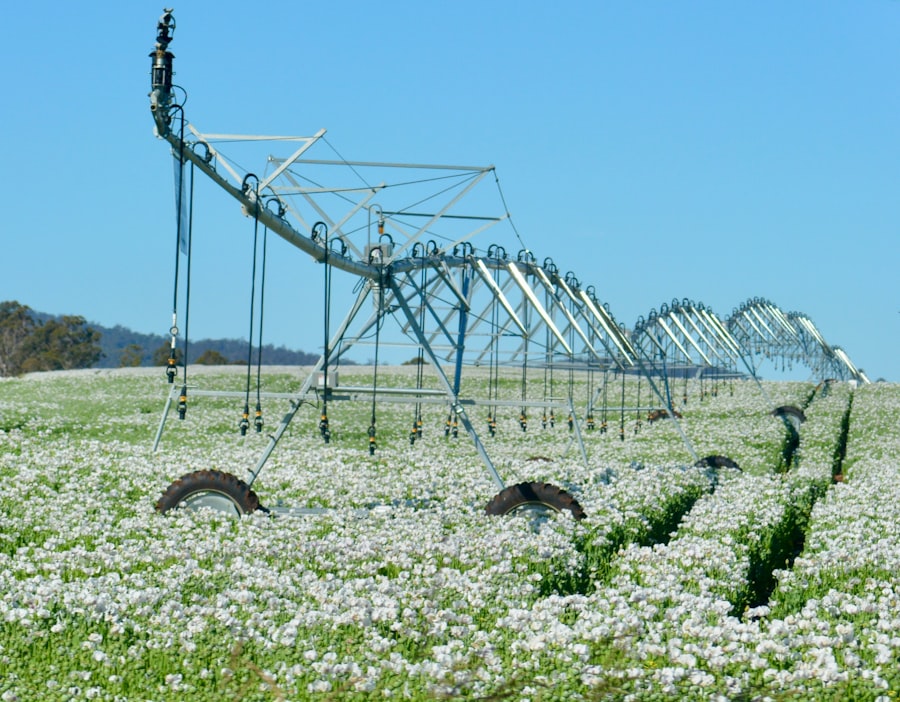
Looking ahead, the future of irrigation, famine management, and rural debt in India will depend on a multifaceted approach that combines technological innovation with sustainable practices. As climate change continues to impact weather patterns and exacerbate water scarcity issues, there is an urgent need for investment in advanced irrigation technologies such as precision agriculture and smart water management systems. These innovations can help optimize water usage while maximizing crop productivity.
Moreover, addressing rural debt will require a comprehensive strategy that includes financial literacy programs aimed at educating farmers about responsible borrowing practices and effective financial management. By equipping farmers with knowledge about credit options and risk management strategies, they can make informed decisions that reduce their vulnerability to debt traps. In conclusion, the interplay between irrigation, famine, and rural debt presents significant challenges for Indian agriculture.
However, with concerted efforts from both government bodies and community organizations, there is potential for transformative change that can enhance agricultural resilience and improve the livelihoods of millions of farmers across the country. As India navigates these complex issues, it will be essential to prioritize sustainable practices that ensure food security while fostering economic stability in rural areas.
A related article that delves into the importance of effective modeling in understanding real-world challenges can be found here: Real World Examples of Mathematical Modelling. This article highlights how mathematical modeling can provide insights into agricultural productivity and resource management, which are critical in addressing the challenges faced by rural farmers in India.
FAQs
What is the relationship between irrigation and famine in India?
Irrigation plays a crucial role in mitigating the effects of famine in India by providing a reliable water supply for agriculture. Proper irrigation reduces dependence on monsoon rains, thereby stabilizing crop production and food availability during droughts or dry spells.
How does irrigation impact rural debt in India?
Irrigation can influence rural debt by affecting agricultural productivity and income. While improved irrigation facilities can increase crop yields and farmers’ earnings, the initial investment in irrigation infrastructure often requires borrowing, which may increase rural debt levels if returns are insufficient or delayed.
What are the common sources of irrigation in rural India?
Common sources of irrigation in rural India include canals, tube wells, wells, tanks, and ponds. Canal irrigation is often government-managed, while tube wells and wells are typically privately owned by farmers.
Why is rural debt a significant issue in India?
Rural debt is significant due to factors such as low agricultural income, high input costs, crop failures, and limited access to formal credit. Many farmers rely on informal lenders with high-interest rates, leading to a cycle of indebtedness.
How does famine affect rural debt levels?
Famine leads to crop failure and loss of income, forcing farmers to borrow money to meet basic needs and invest in the next planting season. This increases rural debt and can trap farmers in a cycle of poverty and indebtedness.
What measures have been taken to improve irrigation in India?
The Indian government has implemented various schemes such as the Pradhan Mantri Krishi Sinchayee Yojana (PMKSY) to enhance irrigation coverage, promote water-efficient technologies, and improve water management practices to support sustainable agriculture.
Can improved irrigation reduce the risk of famine?
Yes, improved irrigation reduces dependence on erratic rainfall, ensuring more consistent crop production and food supply, which lowers the risk and severity of famine in vulnerable regions.
What role does government policy play in addressing rural debt?
Government policies aim to provide affordable credit through cooperative banks and rural financial institutions, implement debt relief programs, and promote financial literacy to help farmers manage debt and reduce reliance on informal lenders.
How does irrigation affect agricultural productivity in India?
Irrigation enhances agricultural productivity by providing a stable water supply, enabling multiple cropping seasons, and reducing crop failure risks, which leads to higher yields and increased farmer income.
What challenges exist in expanding irrigation infrastructure in rural India?
Challenges include high costs of infrastructure development, water scarcity, inefficient water use, maintenance issues, and unequal access among farmers, which can limit the benefits of irrigation expansion.














+ There are no comments
Add yours