









The period of British colonial rule in India, spanning from the mid-18th century to the mid-20th century, marked a significant transformation in the country’s trade dynamics. Internal and external trade underwent profound changes as the British sought to integrate India into a global economic framework that primarily benefited the colonial power. The British administration implemented policies that reshaped traditional trade practices, disrupted local economies, and altered the flow of goods both within the subcontinent and beyond its borders.
This era saw the emergence of new trade routes, the introduction of Western commercial practices, and a shift in the balance of trade that favored British interests. Internal trade, which had thrived on local markets and regional exchanges, faced challenges as British policies favored the export of raw materials to Britain while flooding Indian markets with British manufactured goods. This led to a decline in indigenous industries and a reorientation of trade patterns.
Simultaneously, external trade saw India being positioned as a crucial supplier of raw materials for British industries, while also becoming a market for British products. The interplay between these two dimensions of trade under British rule not only affected economic structures but also had lasting social and cultural implications for Indian society.
Key Takeaways
- British rule significantly altered both internal and external trade dynamics in India.
- Internal trade faced disruptions due to new taxation and market control policies imposed by the British.
- External trade expanded but was largely structured to benefit British economic interests.
- Trade policies and regulations were reformed to prioritize British exports and imports.
- Infrastructure developments like railways facilitated trade but primarily served colonial objectives.
Impact of British Rule on Internal Trade
The impact of British rule on internal trade was multifaceted, leading to both disruption and transformation. One of the most significant changes was the decline of traditional crafts and local industries. Prior to British colonization, India had a vibrant economy characterized by skilled artisans and a variety of local products ranging from textiles to metalwork.
However, with the influx of cheap British manufactured goods, particularly textiles from Lancashire, local artisans found it increasingly difficult to compete. The introduction of tariffs and taxes on Indian goods further exacerbated this situation, leading to a decline in traditional crafts and a shift towards dependency on imported products. Moreover, the British administration’s focus on cash crops for export significantly altered agricultural practices and internal trade dynamics.
Farmers were encouraged to cultivate crops like indigo, cotton, and opium for export rather than subsistence crops for local consumption. This shift not only disrupted local food supplies but also transformed internal trade networks that had previously been based on diverse agricultural products. The result was a more monocultural economy that prioritized export over local needs, leading to food shortages and economic instability in various regions.
Impact of British Rule on External Trade
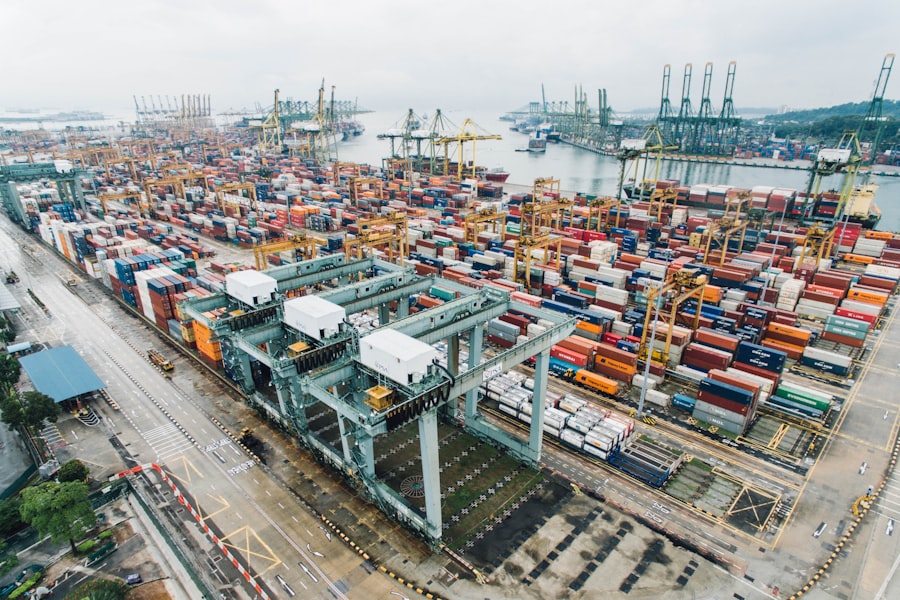
The external trade landscape during British rule was characterized by a dramatic reorientation towards serving British economic interests. India became an essential supplier of raw materials for Britain’s burgeoning industrial sector. The British established a system where Indian resources such as cotton, jute, tea, and spices were extracted and exported to Britain at minimal cost.
This extraction was often facilitated by exploitative practices that marginalized local producers and laborers, who received little compensation for their contributions. Additionally, the British imposed strict regulations on external trade that favored their own shipping companies and trading interests. The introduction of the East India Company’s monopoly over trade meant that Indian merchants faced significant barriers when attempting to engage in international commerce.
The result was a significant imbalance in trade relations; while India exported vast quantities of raw materials, it became inundated with British manufactured goods in return.
Changes in Trade Policies and Regulations
The regulatory framework established by the British significantly influenced both internal and external trade practices in India. The introduction of various laws and policies aimed at consolidating British control over trade often came at the expense of local economies. For instance, the Regulation Act of 1773 and subsequent legislation sought to streamline trade operations under the auspices of the East India Company, effectively sidelining indigenous traders and merchants.
These regulations often included heavy taxation on local goods while providing exemptions or favorable terms for British imports. Furthermore, the British implemented a series of tariffs that were designed to protect their own industries while undermining Indian craftsmanship. The imposition of duties on Indian textiles made it difficult for local producers to compete with cheaper British imports.
This not only led to a decline in traditional industries but also fostered resentment among Indian merchants who found themselves increasingly marginalized in their own markets. The regulatory environment thus created a landscape where external trade was heavily skewed in favor of British interests, leading to long-term economic consequences for India.
Development of Infrastructure and Transport
| Aspect | Internal Trade | External Trade |
|---|---|---|
| Major Goods Traded | Grains, textiles, spices, salt, and handicrafts | Raw cotton, indigo, tea, jute, opium, and spices |
| Trade Routes | Roads, rivers, and local markets within India | Sea routes via ports like Bombay, Calcutta, and Madras |
| Trade Control | Local merchants and British regulations | British East India Company and later British government |
| Revenue Contribution | Significant for local economies and tax collection | Major source of revenue for British administration |
| Impact on Economy | Decline in traditional markets due to British policies | Export-oriented economy benefiting British industries |
| Trade Volume (circa 1900) | Estimated internal trade value: High but unquantified | Exports: Over 200 million units of textiles and raw materials |
One of the most notable legacies of British rule was the development of infrastructure aimed at facilitating trade. The British recognized that efficient transport systems were essential for maximizing resource extraction and ensuring smooth distribution channels for their goods. Consequently, they invested heavily in building railways, roads, ports, and telecommunication systems across India.
The railway network, in particular, became a crucial component of this infrastructure development, connecting remote regions with major urban centers and ports. The establishment of railways not only expedited the movement of raw materials from rural areas to ports for export but also facilitated the distribution of British manufactured goods throughout India. This dual-purpose infrastructure served to integrate India’s economy into the global market while simultaneously reinforcing colonial control over trade routes.
However, while these developments did enhance connectivity and mobility within India, they were primarily designed to serve colonial interests rather than promote local economic growth or benefit indigenous populations.
Legacy of British Rule on Trade Relations
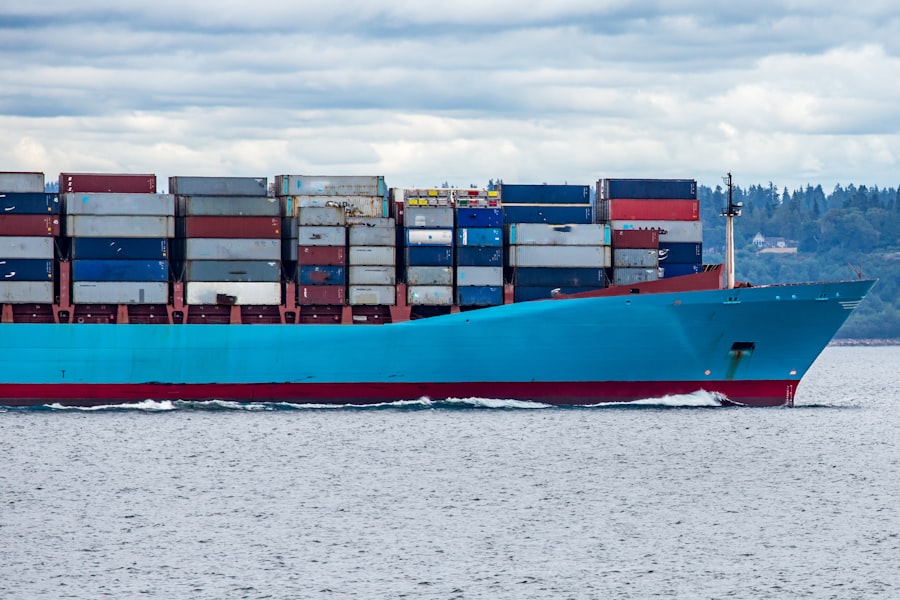
The legacy of British rule on India’s trade relations is complex and multifaceted, leaving an indelible mark on both internal and external trade practices long after independence. The colonial experience fundamentally altered India’s economic landscape, creating dependencies that persisted even after the end of direct British control. The focus on cash crops for export led to an agricultural system that remained vulnerable to fluctuations in global markets, impacting food security and rural livelihoods.
Moreover, the disruption of traditional industries created a lasting impact on India’s manufacturing capabilities. The decline of indigenous crafts and local production systems meant that post-independence India faced significant challenges in reviving its industrial base. The historical context established during colonial rule continued to influence trade policies and economic strategies in independent India as policymakers grappled with the legacies of exploitation and dependency.
In conclusion, the period of British rule profoundly reshaped India’s internal and external trade dynamics through a combination of regulatory changes, infrastructure development, and shifts in agricultural practices. While some aspects of this transformation contributed to modernization efforts, they were largely driven by colonial interests that prioritized resource extraction over local economic development. The repercussions of these changes continue to resonate in contemporary India’s trade relations and economic policies, highlighting the enduring impact of colonialism on global trade systems.
Internal and external trade under British rule significantly shaped the economic landscape of the colonies, influencing local industries and trade practices. For a deeper understanding of how philosophical frameworks can impact economic systems, you might find the article on the philosophy of science insightful. It discusses concepts such as nature, explanation, induction, and deduction, which can provide a broader context for analyzing trade dynamics. You can read more about it in this article: Introduction to Philosophy of Science.
FAQs
What was the nature of internal trade under British rule in India?
Internal trade under British rule involved the exchange of goods within different regions of India. The British established infrastructure like railways and roads, which facilitated the movement of raw materials and finished goods across provinces. However, internal trade was often structured to serve colonial economic interests, prioritizing the export of raw materials to Britain.
How did British rule affect external trade in India?
British rule significantly expanded India’s external trade, primarily by integrating the Indian economy into the global market as a supplier of raw materials and a consumer of British manufactured goods. The British controlled major ports and trade policies, which favored British economic interests and limited India’s ability to develop its own industries.
What were the main goods involved in internal trade during British rule?
The main goods involved in internal trade included agricultural products like cotton, jute, tea, and spices, as well as handicrafts and textiles. These goods were transported from rural areas to urban centers and ports for export.
Which external markets were most important for Indian trade under British rule?
The most important external markets for Indian trade were Britain and other parts of the British Empire. India exported raw materials such as cotton, tea, indigo, and opium, while importing British manufactured goods like textiles, machinery, and metal products.
Did British policies impact Indian industries during their rule?
Yes, British policies often undermined Indian industries, especially traditional handicrafts and textiles, by flooding the market with cheap British manufactured goods. This led to the decline of many indigenous industries and increased India’s dependence on British imports.
How did transportation developments influence trade under British rule?
The British developed extensive railway networks, roads, and ports, which improved the efficiency of both internal and external trade. These transportation advancements allowed for faster movement of goods, reduced costs, and expanded market reach, but primarily served colonial economic objectives.
Were there any restrictions on Indian merchants during British rule?
Indian merchants faced various restrictions, including discriminatory trade policies and limited access to certain markets. The British often favored British companies and controlled trade regulations to maintain economic dominance.
What role did ports play in external trade during British rule?
Ports such as Bombay (Mumbai), Calcutta (Kolkata), and Madras (Chennai) were crucial hubs for external trade. They facilitated the export of raw materials and the import of British manufactured goods, serving as key points in the colonial trade network.
How did British rule impact the balance of trade in India?
The balance of trade under British rule was generally unfavorable to India. The country exported large quantities of raw materials but imported expensive manufactured goods, leading to a drain of wealth and limited industrial growth within India.
What was the overall economic impact of internal and external trade under British rule?
While trade infrastructure improved, the overall economic impact was mixed. The colonial trade system benefited Britain economically but often hindered India’s industrial development, contributed to the decline of traditional industries, and reinforced economic dependency on the colonial power.














+ There are no comments
Add yours