










Microkernel architecture is a design approach for operating systems that emphasizes minimalism and modularity. At its core, a microkernel provides only the essential services required for the system to function, such as low-level address space management, thread management, and inter-process communication (IPC). This contrasts with monolithic kernels, which include a wide range of services and drivers within a single large codebase. The microkernel’s design philosophy aims to separate the core functionalities from additional services, allowing for greater flexibility and easier maintenance.
The microkernel architecture operates on the principle of running most operating system services in user space rather than kernel space. This separation enhances system stability and security, as faults in user-space services do not directly compromise the kernel. Additionally, this architecture allows developers to add or modify services without needing to alter the kernel itself, facilitating updates and customizations. The microkernel’s lightweight nature can lead to improved performance in certain scenarios, particularly in embedded systems where resources are limited.
Microkernel architecture is a fascinating topic in the realm of operating systems, focusing on minimalism and modularity. For those interested in exploring related concepts that delve into the philosophical underpinnings of systems design, the article on Vedanta philosophy might provide intriguing insights. You can read more about it in this article: Exploring Vedanta Philosophy, Spirituality, and Education. This connection between philosophy and technology can offer a unique perspective on how we approach system architecture and design principles.
Key Takeaways
- Microkernel architecture separates core functions from system services, enhancing modularity and security.
- Microkernel OS offers advantages like improved stability, easier maintenance, and better fault isolation.
- While microkernels can impact system performance due to increased context switching, optimizations help mitigate this.
- Successful implementations of microkernels are evident in systems like QNX and MINIX, demonstrating reliability in critical applications.
- Despite benefits, microkernels face challenges such as complexity in design and potential performance overhead compared to monolithic kernels.
Advantages of Using Microkernel Operating Systems
One of the primary advantages of microkernel operating systems is their enhanced reliability. Since most services run in user space, a failure in one service does not necessarily bring down the entire system. This isolation helps maintain overall system stability, making microkernels particularly suitable for critical applications where uptime is essential. Furthermore, the modular nature of microkernels allows for easier debugging and testing of individual components, which can lead to quicker identification and resolution of issues.
Another significant benefit is the increased security that microkernel architectures can provide. By limiting the amount of code running in kernel mode, the attack surface is reduced, making it more difficult for malicious software to exploit vulnerabilities. Additionally, the ability to run services in isolated environments means that even if one service is compromised, it does not have direct access to the kernel or other services. This layered security approach is particularly valuable in environments where data integrity and confidentiality are paramount.
Impact of Microkernel on System Performance
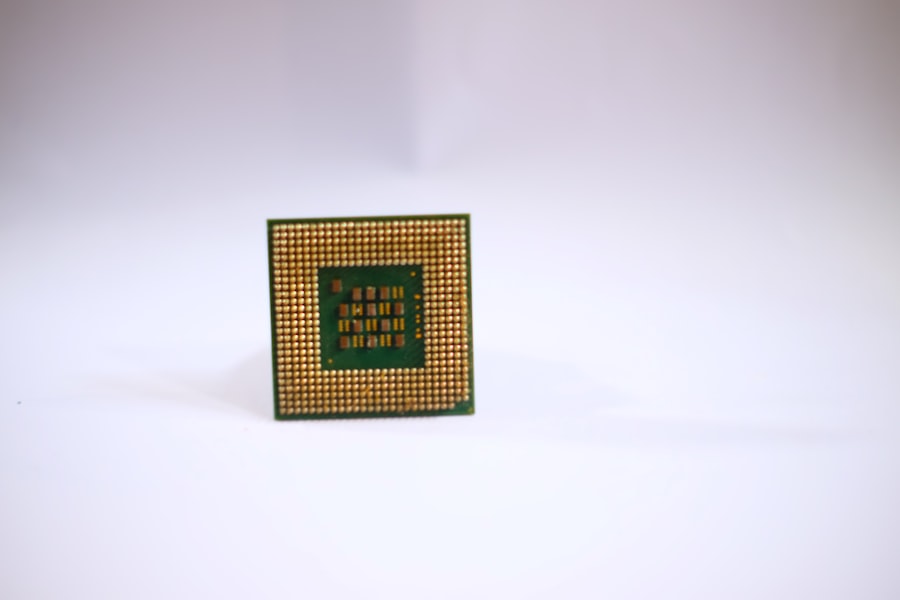
The impact of microkernel architecture on system performance can be a double-edged sword. On one hand, the modular design can lead to improved performance in specific contexts, particularly when it comes to resource-constrained environments. By allowing only essential services to run in kernel mode, microkernels can reduce context-switching overhead and improve responsiveness.
This is especially beneficial in real-time systems where timing and efficiency are critical. On the other hand, the reliance on inter-process communication (IPC) can introduce latency that may affect overall performance. Since many services operate in user space and communicate through IPC mechanisms, the overhead associated with these communications can be significant compared to monolithic kernels where services can interact more directly.
As a result, while microkernels can excel in certain applications, they may not always be the best choice for high-performance computing environments where speed is a primary concern.
Case Studies of Successful Implementation of Microkernel
Several notable case studies illustrate the successful implementation of microkernel architectures across various domains. One prominent example is the QNX operating system, widely used in embedded systems such as automotive applications and industrial automation. QNX’s microkernel design allows it to maintain high reliability and real-time performance while supporting a wide range of hardware platforms. Its ability to isolate faults and provide robust IPC has made it a preferred choice for mission-critical applications.
Another example is the L4 microkernel family, which has been adopted in various research projects and commercial products. L4’s design focuses on performance and flexibility, enabling developers to create custom operating systems tailored to specific needs. Its use in projects like seL4, which emphasizes formal verification for security-critical applications, showcases how microkernels can be leveraged for both performance and safety in complex systems.
The concept of a microkernel architecture is fascinating, particularly when considering its implications for system design and efficiency. For those interested in exploring related philosophical ideas that delve into the nature of reality and how we perceive systems, you might find the article on Vedanta philosophy intriguing. It offers insights into understanding the essence of existence and liberation, which can parallel discussions around the simplicity and modularity of microkernel designs. You can read more about this thought-provoking topic in the article here.
Challenges and Limitations of Microkernel Operating Systems
| Metric | Description | Typical Value / Example |
|---|---|---|
| Kernel Size | Size of the microkernel codebase | ~10,000 to 20,000 lines of code |
| Context Switch Time | Time taken to switch between processes or threads | 1-5 microseconds (varies by hardware) |
| IPC Overhead | Latency introduced by inter-process communication | 5-20 microseconds |
| System Call Latency | Time to perform a system call via microkernel | 10-50 microseconds |
| Modularity | Degree to which OS components run in user space | High (most services outside kernel) |
| Fault Isolation | Ability to isolate faults to individual components | Strong (due to minimal kernel) |
| Examples | Popular microkernel-based operating systems | QNX, MINIX, L4, Mach |
Despite their advantages, microkernel operating systems face several challenges and limitations that can hinder their widespread adoption. One significant issue is the complexity associated with managing multiple user-space services. While modularity offers flexibility, it also requires careful coordination between components to ensure efficient communication and resource management. This complexity can lead to increased development time and potential integration issues.
Additionally, the performance overhead associated with IPC can be a drawback in scenarios where speed is critical. The need for context switching between user space and kernel space can introduce latency that may not be acceptable in high-performance applications.
As a result, developers must carefully evaluate whether the benefits of a microkernel architecture outweigh these potential drawbacks in their specific use cases.
The concept of a microkernel is often discussed in the context of operating system design, where it serves as a minimal core that manages the most essential functions while allowing other services to run in user space. This architecture can lead to increased system stability and security. For a deeper understanding of how logical structures can influence system design, you might find it interesting to explore the principles of Aristotelian syllogistic logic, which can be related to the way we structure and reason about software components. You can read more about this in the article here.
Comparison of Microkernel with Monolithic and Hybrid Kernels
When comparing microkernels with monolithic and hybrid kernels, several key differences emerge that highlight their respective strengths and weaknesses. Monolithic kernels integrate all operating system services into a single large codebase, which can lead to higher performance due to reduced context switching and direct service interactions. However, this design also increases complexity and makes debugging more challenging since a failure in one component can affect the entire system.
Hybrid kernels attempt to combine elements of both microkernel and monolithic designs by incorporating some services into the kernel while keeping others in user space. This approach aims to strike a balance between performance and modularity but can sometimes inherit drawbacks from both architectures. While hybrid kernels may offer improved performance over pure microkernels, they may not achieve the same level of reliability or security due to their larger codebase.
In contrast, microkernels prioritize modularity and isolation at the cost of potential performance overhead from IPC mechanisms. This design philosophy makes them particularly suitable for systems where reliability and security are paramount, such as embedded systems or safety-critical applications. Ultimately, the choice between these architectures depends on the specific requirements of the application being developed.
Future Trends and Developments in Microkernel Technology
As technology continues to evolve, several trends are emerging that may shape the future of microkernel architectures. One notable trend is the increasing focus on security and safety in operating system design. With growing concerns about cybersecurity threats, microkernels’ inherent isolation properties make them an attractive option for developing secure systems. Future developments may see enhanced verification techniques being applied to microkernels to ensure their reliability in critical applications.
Another trend is the integration of microkernel architectures with emerging technologies such as edge computing and Internet of Things (IoT) devices. As these technologies proliferate, there will be a need for lightweight operating systems that can efficiently manage resources while providing robust performance. Microkernels’ modularity aligns well with these requirements, allowing for tailored solutions that can adapt to diverse hardware environments.
Practical Applications of Microkernel in Various Industries
Microkernel architectures find practical applications across various industries due to their unique advantages. In the automotive sector, for instance, microkernels are used in advanced driver-assistance systems (ADAS) where reliability and real-time performance are critical. The ability to isolate different functionalities ensures that failures in one component do not compromise overall system safety.
In telecommunications, microkernels are employed in network routers and switches where high availability and fault tolerance are essential. The modular nature allows for easy updates and maintenance without disrupting core operations. Similarly, in aerospace applications, microkernels support mission-critical systems where safety and reliability are non-negotiable.
Overall, microkernel architectures offer a versatile solution for industries requiring robust performance, security, and reliability. As technology continues to advance, their role is likely to expand further into new domains where these characteristics are increasingly valued.











+ There are no comments
Add yours