









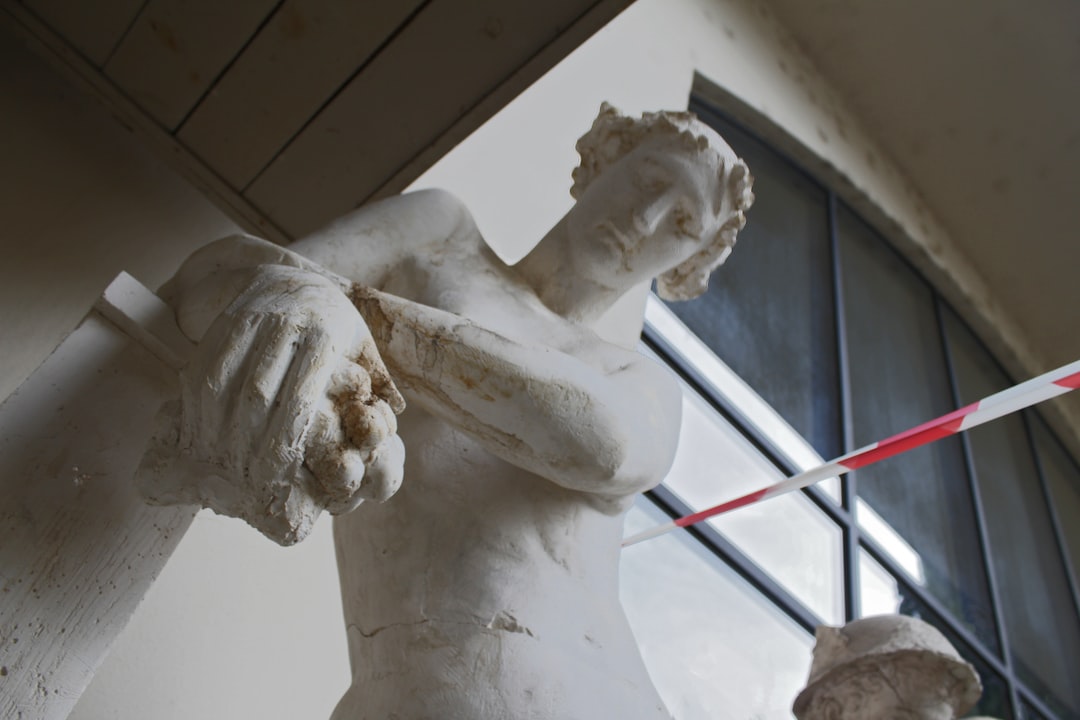
Sculptural art has a rich and varied history that spans thousands of years, reflecting the evolution of human thought, culture, and expression. From the ancient civilizations of Mesopotamia and Egypt to the classical traditions of Greece and Rome, sculptural art has served as a medium for storytelling, religious expression, and the commemoration of significant figures. Early sculptures often depicted deities, rulers, and mythological beings, serving both decorative and functional purposes. The iconography of these works was deeply intertwined with the beliefs and values of the societies that created them, providing insight into their worldviews and social structures.
As civilizations progressed, so too did the complexity of sculptural art. The Renaissance marked a pivotal moment in this evolution, as artists began to explore humanism and the natural world. Sculptors like Michelangelo and Donatello infused their works with a sense of realism and emotional depth, moving beyond mere representation to convey deeper meanings. This period saw a shift in iconography, where the human figure became a central focus, symbolizing not only religious themes but also the potential of humanity itself. The interplay between form and meaning in sculptural art became increasingly sophisticated, laying the groundwork for future artistic movements.
Sculptural art often conveys deep iconographic meanings that reflect cultural, historical, and philosophical contexts. For those interested in exploring the intersections of art and logic, a related article titled “An Introduction to Many-Valued Logic: Historical Development, Relations, and Applications” provides intriguing insights into how complex systems of thought can influence artistic expression. You can read more about this fascinating connection in the article available at this link.
Key Takeaways
- Sculptural art has a rich history where iconography plays a crucial role in conveying meaning.
- Iconography in sculpture helps interpret the symbolic messages embedded in the artwork.
- Meaning and symbolism in sculptures often reflect deeper cultural, religious, and social themes.
- Cultural and religious contexts significantly influence the iconographic elements in sculptural art.
- Contemporary sculptural art continues to evolve, blending traditional iconography with modern societal influences.
The Role of Iconography in Sculptural Art
Iconography plays a crucial role in sculptural art, serving as a visual language that communicates complex ideas and narratives. Each symbol or motif within a sculpture can carry multiple layers of meaning, often rooted in cultural or historical contexts. For instance, a figure holding a sword may represent valor or justice, while a seated figure may symbolize authority or wisdom. Understanding these symbols is essential for interpreting the artwork accurately, as they often reflect the beliefs and values of the time in which they were created.
Moreover, iconography can evolve over time, adapting to new cultural contexts or artistic movements. For example, the depiction of saints in Christian art has transformed from rigid, formulaic representations to more dynamic and relatable portrayals that resonate with contemporary audiences. This adaptability allows sculptural art to remain relevant across generations, as artists reinterpret traditional symbols to reflect modern sensibilities. The study of iconography thus becomes an essential tool for art historians and critics, enabling them to trace the lineage of ideas and themes throughout the history of sculptural art.
The Meaning and Symbolism in Sculptural Art

The meaning embedded in sculptural art often transcends its physical form, inviting viewers to engage with deeper philosophical or emotional concepts. Sculptures can evoke feelings of awe, contemplation, or even discomfort, depending on their subject matter and execution. For instance, works that address themes of mortality or suffering can provoke introspection about the human condition, while those celebrating life or beauty may inspire joy and admiration. This capacity for eliciting emotional responses is one of the defining characteristics of sculptural art.
Symbolism in sculpture can also serve as a commentary on societal issues or historical events. Artists may use their work to critique political systems, challenge social norms, or highlight injustices. For example, modern sculptures addressing themes of war or inequality often employ stark imagery to provoke thought and discussion among viewers. In this way, sculptural art becomes not only a reflection of individual creativity but also a powerful medium for social commentary and change.
The Influence of Culture and Religion on Sculptural Iconography
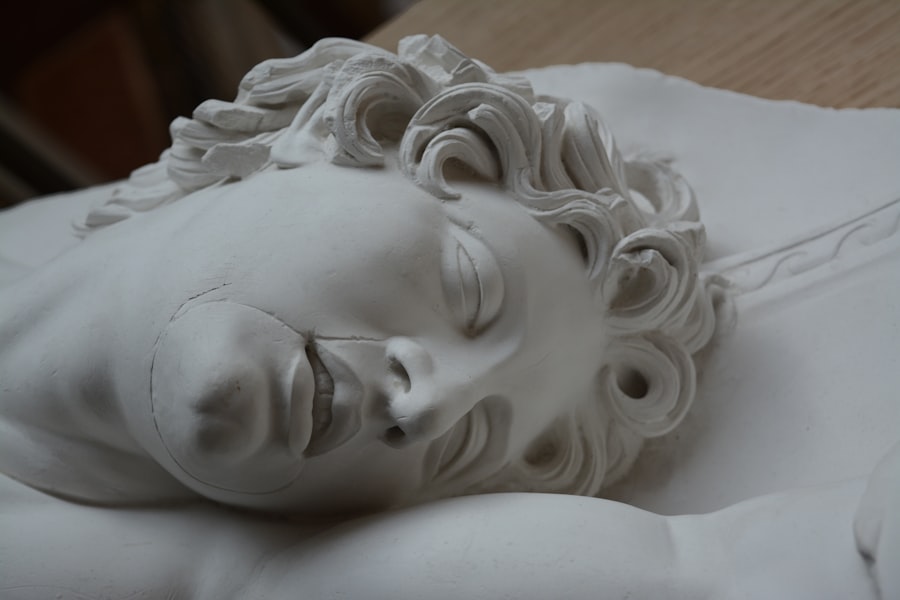
Cultural and religious influences have profoundly shaped the iconography found in sculptural art throughout history. Different cultures have developed unique visual languages that reflect their beliefs, values, and experiences. In ancient Egypt, for instance, sculptures were often created to honor gods and pharaohs, with specific iconographic elements signifying their divine status or power. Similarly, in Hindu art, deities are depicted with distinct attributes that convey their roles within the pantheon and their relationships with devotees.
Religion has also played a significant role in shaping the themes and subjects of sculptural works. In Christian art, for example, the crucifixion of Christ is a recurring motif that symbolizes sacrifice and redemption. The iconography associated with this event has evolved over centuries, influencing countless artists across different periods. As cultures interact and exchange ideas through trade or conquest, these religious iconographies can blend or transform, leading to new interpretations and styles in sculptural art.
Sculptural art often serves as a profound medium for expressing complex ideas and emotions, intertwining iconography and meaning in ways that resonate deeply with viewers. For those interested in exploring the philosophical underpinnings that can influence such artistic expressions, a related article delves into the thoughts of Tagore and Radhakrishnan, examining how their perspectives on humanism and religion shape our understanding of purpose in life. You can read more about these intriguing concepts in the article found













+ There are no comments
Add yours