









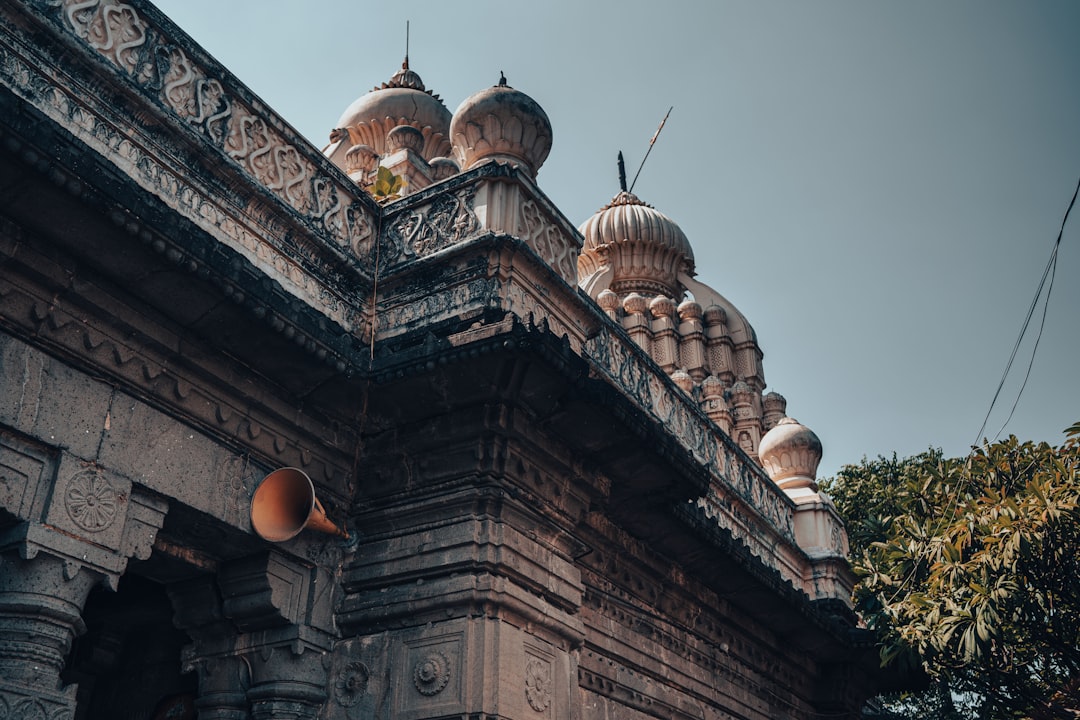
Hindu temples serve as significant cultural and spiritual centers within the Hindu tradition. They are not merely places of worship but also embody the rich history, philosophy, and artistic expression of Hinduism. Each temple is a microcosm of the universe, designed to facilitate a connection between the divine and the devotee. The architecture, rituals, and symbolism found within these sacred spaces reflect the beliefs and values of Hinduism, making them essential to understanding the religion as a whole.
The origins of Hindu temples can be traced back to ancient times, with archaeological evidence suggesting that temple construction began around the 3rd century BCE. Over the centuries, these structures have evolved in style and significance, influenced by various dynasties and regional practices. Today, temples can be found across India and in many parts of the world where Hindu communities have settled. Each temple is unique, often dedicated to specific deities, and serves as a focal point for community gatherings, festivals, and religious observances.
Hindu temples are not only architectural marvels but also embody profound cosmic symbolism, particularly through the concept of Vastupurush, which represents the cosmic being that governs the spatial arrangement of the temple. This intricate relationship between architecture and spirituality can be further explored in the article on the philosophy of language and knowledge, which delves into how different cultures interpret their surroundings and construct meaning. For a deeper understanding of these philosophical underpinnings, you can read more in this related article: Introduction to Language, Meaning, and Knowledge.
Key Takeaways
- Hindu temples serve as sacred spaces embodying spiritual and cosmic principles.
- Vastupurush represents the cosmic being central to temple layout and design.
- Symbolism in temples reflects deeper philosophical and religious meanings.
- Temple architecture follows precise geometric and directional guidelines rooted in ancient texts.
- Modern temple designs blend traditional symbolism with contemporary aesthetics and functions.
Vastupurush: The Cosmic Being
In Hindu cosmology, the concept of Vastupurush plays a crucial role in temple architecture and design. Vastupurush is often depicted as a cosmic being whose body represents the universe itself. This idea is foundational in Vastu Shastra, the traditional Indian system of architecture that emphasizes harmony between human dwellings and the natural environment. According to this belief, the layout of a temple should align with the cosmic order, ensuring that it resonates with the energies of the universe.
The representation of Vastupurush in temple design is not merely symbolic; it serves as a guiding principle for architects and builders. The orientation of the temple, the placement of deities, and even the materials used in construction are all influenced by this concept. For instance, the cardinal directions play a significant role in determining where specific elements of the temple should be located. By adhering to these principles, builders aim to create a space that is not only aesthetically pleasing but also spiritually potent.
Symbolism in Hindu Temples
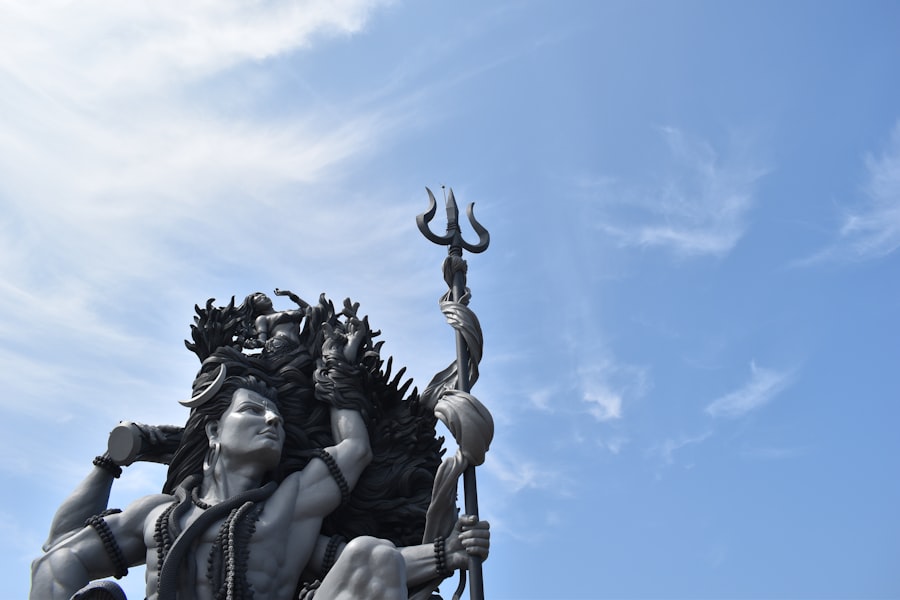
Symbolism is a fundamental aspect of Hindu temples, with every element carrying deeper meanings that reflect spiritual truths and philosophical concepts. The temple itself is often seen as a representation of Mount Meru, the axis mundi in Hindu cosmology, which connects the earthly realm with the divine. This symbolic representation underscores the belief that temples are gateways to higher states of consciousness and spiritual enlightenment.
Various architectural features within temples also embody specific symbols. For example, the shikhara or vimana (the tower above the sanctum) symbolizes the ascent towards the divine. The garbhagriha, or inner sanctum where the main deity resides, represents the womb of creation. Additionally, intricate carvings and sculptures adorning temple walls often depict mythological stories and deities, serving as visual narratives that convey moral lessons and spiritual teachings. These symbols collectively create an environment conducive to worship and reflection.
Architecture and Design of Hindu Temples
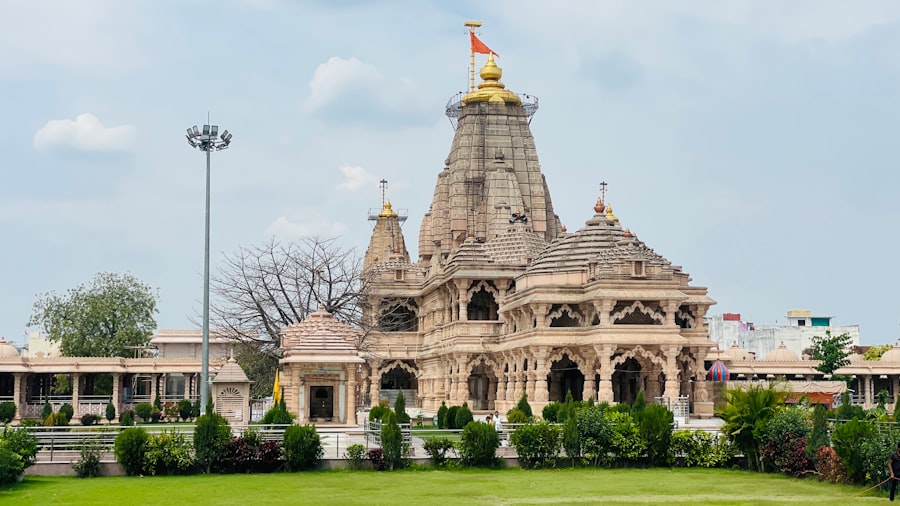
The architecture of Hindu temples is diverse, reflecting regional styles and historical influences. Common architectural elements include a sanctum (garbhagriha), a hall for congregational worship (mandapa), and a tower (shikhara or vimana) that rises above the sanctum. The design often incorporates intricate carvings and sculptures that depict various deities, mythological scenes, and floral motifs, showcasing the artistic skills of craftsmen.
Different regions in India have developed distinct architectural styles over time. For instance, North Indian temples often feature tall shikharas with elaborate carvings, while South Indian temples are characterized by towering gopurams (gateway towers) adorned with colorful sculptures. The Nagara style predominates in northern India, while the Dravidian style is prevalent in southern regions. These architectural variations not only reflect local aesthetics but also serve functional purposes related to climate and geography.
The intricate relationship between Hindu temples and cosmic symbolism is beautifully explored in various scholarly articles, one of which delves into the economic importance and applications of microbes in various industries. This connection may seem distant at first, but understanding the underlying principles of harmony and balance in both spiritual and scientific realms can lead to fascinating insights. For those interested in a broader perspective, you can read more about this intriguing intersection in the article on During these visits, devotees engage in various rituals such as circumambulation (pradakshina) around the sanctum or participating in collective chanting (bhajan) sessions. These activities not only enhance individual spirituality but also strengthen community bonds. Hindu temples are not only architectural marvels but also embody deep cosmic symbolism, reflecting the ancient beliefs of Vastupurush, the deity representing the spirit of the site. This intricate connection between spirituality and architecture can be further explored in a related article that delves into the philosophies of Sri Aurobindo and Gandhi, highlighting their perspectives on spiritual evolution and non-violent resistance. To read more about these profound ideas, you can visit this insightful piece on spiritual evolution. In recent years, there has been a resurgence of interest in Hindu temple architecture that blends traditional elements with contemporary design principles. Modern architects are exploring innovative ways to create spaces that resonate with both ancient traditions and modern sensibilities. This has led to the construction of temples that incorporate sustainable materials and eco-friendly practices while maintaining adherence to Vastu Shastra principles. Contemporary designs often emphasize open spaces that encourage interaction among devotees while still providing areas for quiet reflection. Some modern temples also integrate technology into their design, using lighting and sound systems to enhance the worship experience. This evolution reflects a broader trend within Hinduism to adapt to changing societal contexts while preserving core spiritual values. As such, modern interpretations of temple design continue to play a vital role in shaping the future of Hindu worship practices. In conclusion, Hindu temples are multifaceted structures that embody deep spiritual significance and cultural heritage. From their architectural designs rooted in ancient cosmology to their vibrant rituals that foster community engagement, these sacred spaces continue to evolve while remaining anchored in tradition. As society progresses, so too does the interpretation and expression of Hindu spirituality within these temples, ensuring their relevance for future generations. Vastupurush is a symbolic cosmic figure believed to be the spirit or deity of a site in Hindu temple architecture. It represents the metaphysical layout of the temple, aligning the structure with cosmic principles and energies to create harmony between the physical and spiritual worlds. The Vastupurush Mandala, a square grid representing the cosmic being, serves as the foundational blueprint for temple design. Each part of the temple corresponds to specific parts of the Vastupurush, ensuring that the temple’s layout aligns with cosmic order and spiritual symbolism. Cosmic symbolism in Hindu temples reflects the universe’s structure and the connection between the divine and earthly realms. Temples are designed to represent the cosmos, facilitating spiritual experiences and meditation by embodying universal principles and cosmic cycles. Yes, elements such as the sanctum sanctorum (garbhagriha), the mandapa (pillared hall), and the temple’s overall orientation correspond to parts of the Vastupurush. The temple’s layout often follows the Vastupurush Mandala grid, with each section symbolizing different cosmic energies and deities. Understanding Vastupurush and cosmic symbolism reveals the deeper spiritual and philosophical meanings embedded in temple architecture. It highlights how temples are not just places of worship but also representations of cosmic order, enhancing appreciation for their design, purpose, and cultural significance. Modern Interpretations of Hindu Temple Design
FAQs
What is the concept of Vastupurush in Hindu temple architecture?
How does Vastupurush influence the design of Hindu temples?
What is the significance of cosmic symbolism in Hindu temples?
Are there specific architectural elements in temples that represent Vastupurush?
How does understanding Vastupurush and cosmic symbolism enhance the appreciation of Hindu temples?











+ There are no comments
Add yours