









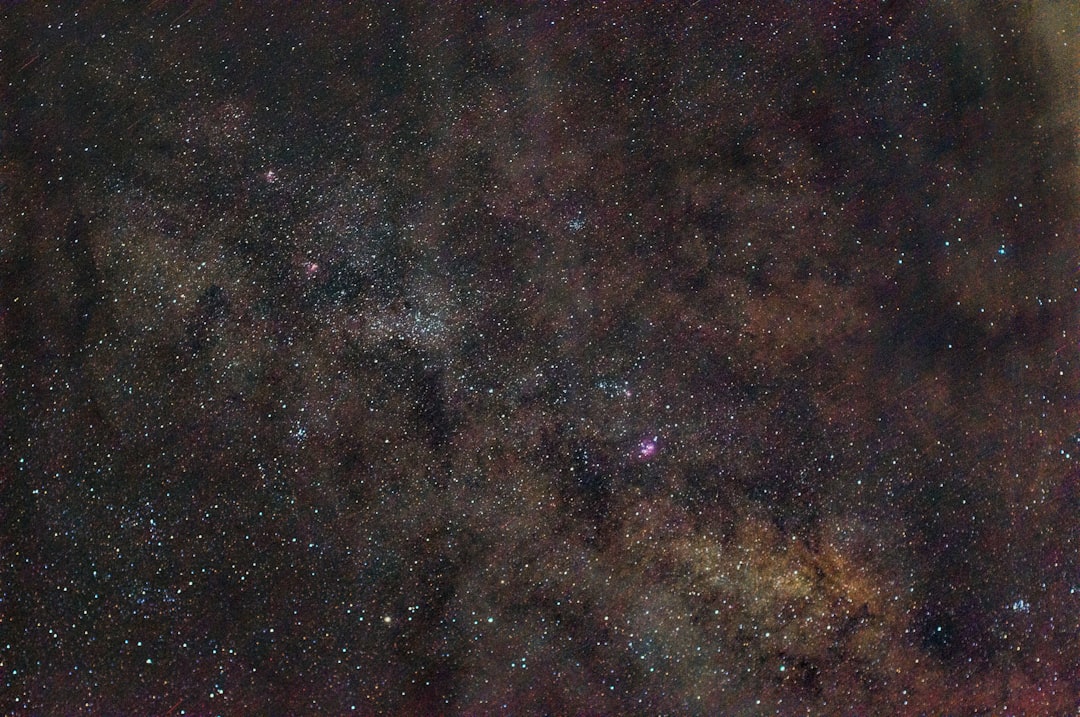
Galactic clusters are among the largest known structures in the universe, consisting of hundreds to thousands of galaxies bound together by gravity. These colossal formations serve as a focal point for astronomers and astrophysicists, providing insights into the nature of the cosmos. The study of galactic clusters not only enhances our understanding of galaxy formation and evolution but also sheds light on the distribution of dark matter and the overall dynamics of the universe. As we delve into the characteristics and significance of these clusters, we uncover a complex tapestry of cosmic interactions that shape the universe as we know it.
The existence of galactic clusters was first proposed in the 19th century, but it wasn’t until the advent of modern telescopes and observational techniques that their true nature began to be understood. Today, with advanced instruments like the Hubble Space Telescope and various ground-based observatories, astronomers can observe these clusters in unprecedented detail. The study of galactic clusters has become a cornerstone of cosmology, offering a window into the large-scale structure of the universe and the processes that govern its evolution.
Galactic clusters are fascinating structures in the universe, composed of hundreds to thousands of galaxies bound together by gravity. For those interested in exploring the broader implications of complex systems, a related article that delves into the intricacies of many-valued logic and its applications can be found here: An Introduction to Many-Valued Logic: Historical Development, Relations, and Applications. This article provides insights into how different logical frameworks can be applied to understand complex phenomena, much like the dynamics observed in galactic clusters.
Key Takeaways
- Galactic clusters are massive groupings of galaxies bound by gravity, playing a crucial role in cosmic structure.
- They form through the gravitational attraction of galaxies and dark matter, exhibiting diverse shapes and sizes.
- Observations from Earth using telescopes across various wavelengths reveal their composition and dynamics.
- Studying galactic clusters helps scientists understand dark matter, galaxy evolution, and the large-scale structure of the universe.
- Ongoing and future explorations aim to uncover new mysteries and deepen knowledge about the universe’s formation and expansion.
The Formation and Structure of Galactic Clusters
Galactic clusters form through a process known as hierarchical clustering, where smaller groups of galaxies merge over time to create larger structures. This process is driven by gravitational attraction, which pulls galaxies together from vast distances. Initially, small fluctuations in density in the early universe led to the formation of gas clouds, which eventually coalesced into galaxies. As these galaxies interacted and merged, they formed the clusters we observe today. This ongoing process continues to shape the structure of the universe, as new clusters form and existing ones evolve.
The structure of galactic clusters is complex and can vary significantly from one cluster to another. Typically, a cluster consists of a central giant galaxy surrounded by numerous smaller galaxies. The space between these galaxies is filled with hot gas, which emits X-rays detectable by space-based observatories. This intracluster medium plays a crucial role in the dynamics of the cluster, influencing galaxy formation and evolution. Additionally, dark matter is believed to constitute a significant portion of a cluster’s mass, providing the gravitational framework that holds the visible matter together. Understanding the interplay between these components is essential for comprehending the overall behavior of galactic clusters.
Observing Galactic Clusters from Earth
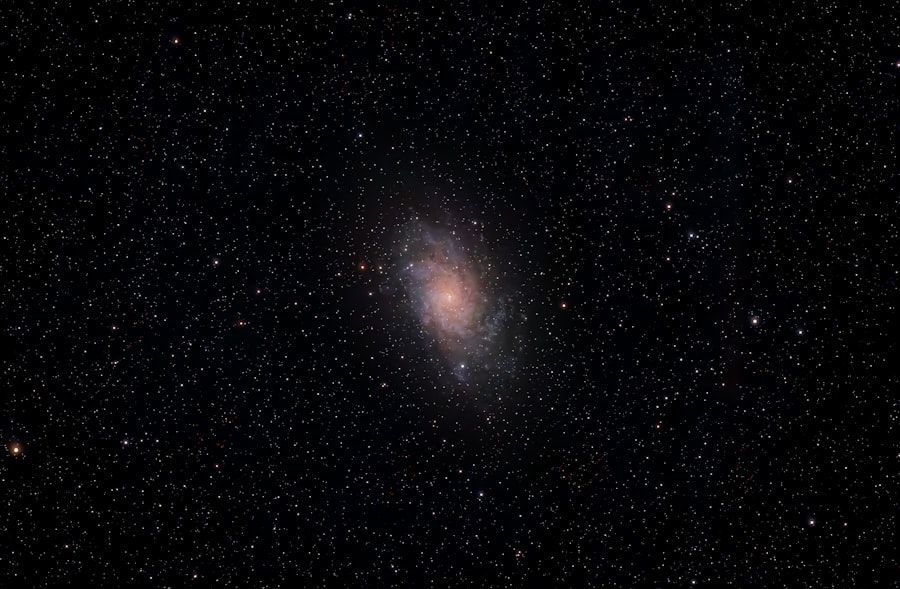
Space telescopes, such as Hubble and the upcoming James Webb Space Telescope, provide even greater clarity by operating above Earth’s atmosphere. Astronomers utilize various techniques to observe galactic clusters, including optical imaging, spectroscopy, and X-ray observations. Optical imaging allows for the identification of individual galaxies within a cluster, while spectroscopy provides information about their composition and motion.
X-ray observations are particularly valuable for studying the hot gas in the intracluster medium, revealing insights into the cluster’s temperature and density. By combining data from multiple wavelengths, researchers can construct a comprehensive picture of a cluster’s properties and dynamics.
The Role of Galactic Clusters in the Universe
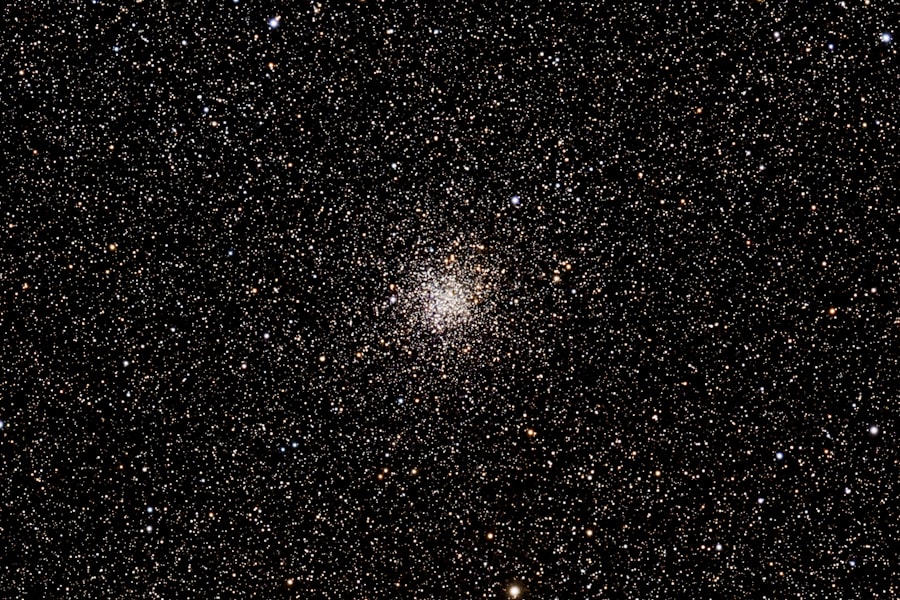
Galactic clusters play a significant role in our understanding of the universe’s evolution and structure.
They serve as laboratories for studying fundamental astrophysical processes, including galaxy formation, star formation, and the behavior of dark matter.
The interactions between galaxies within a cluster can lead to phenomena such as galaxy mergers and tidal stripping, which influence their evolution over time.
Moreover, galactic clusters are essential for mapping the distribution of dark matter in the universe. The gravitational lensing effect observed in some clusters allows astronomers to infer the presence and distribution of dark matter based on how light from more distant objects is bent around them. This information is crucial for understanding the overall mass distribution in the universe and testing theories related to dark energy and cosmic expansion.
Galactic clusters are fascinating structures that contain hundreds to thousands of galaxies bound together by gravity. These clusters play a crucial role in our understanding of the universe’s large-scale structure and evolution. For those interested in exploring more about the dynamics and formation of these clusters, a related article can be found here, which delves into the intricate processes that govern their behavior and interactions. Studying galactic clusters not only enhances our knowledge of cosmic phenomena but also sheds light on the fundamental forces shaping the universe.
The Future of Galactic Cluster Exploration
| Metric | Description | Typical Value | Units |
|---|---|---|---|
| Number of Galaxies | Total galaxies contained within the cluster | 50 – 1000 | Count |
| Mass | Total mass including dark matter, gas, and stars | 10¹⁴ – 10¹⁵ | Solar Masses (M☉) |
| Diameter | Approximate size across the cluster | 2 – 10 | Megaparsecs (Mpc) |
| Temperature | Temperature of the intracluster gas | 10⁷ – 10⁸ | Kelvin (K) |
| Velocity Dispersion | Range of velocities of galaxies within the cluster | 500 – 1500 | km/s |
| Redshift (z) | Measure of cluster’s distance and velocity away from Earth | 0.01 – 1.0 | Dimensionless |
The future of galactic cluster exploration is promising, with several upcoming missions and technological advancements poised to enhance our understanding further. The James Webb Space Telescope, set to launch in late 2021, is expected to provide unprecedented infrared observations that will allow astronomers to study distant clusters in greater detail than ever before. Its ability to peer through dust clouds will enable researchers to investigate star formation within these clusters and examine their early evolutionary stages.
In addition to space-based observatories, ground-based facilities like the Vera Rubin Observatory will contribute significantly to our knowledge of galactic clusters. With its wide-field survey capabilities, this observatory will monitor changes in clusters over time, providing valuable data on their dynamics and interactions. As technology continues to advance, we can expect new discoveries that will challenge existing theories and deepen our understanding of these massive cosmic structures.
Galactic clusters are fascinating structures in the universe, composed of hundreds or even thousands of galaxies bound together by gravity. Understanding their formation and dynamics can provide insights into the evolution of the cosmos. For those interested in exploring complex systems further, a related article discusses the intricacies of bifurcations and how they relate to dynamic systems in various fields. You can read more about it in this insightful piece on bifurcations.
The Spectacular Diversity of Galactic Clusters
Galactic clusters exhibit remarkable diversity in terms of their composition, structure, and evolutionary history. Some clusters are dominated by a single massive galaxy known as a cD galaxy, while others may contain a more uniform distribution of galaxies. Additionally, clusters can vary in their richness—some are densely packed with galaxies, while others are more sparsely populated.
The differences among galactic clusters can be attributed to various factors, including their formation history and environmental conditions. For instance, clusters located in denser regions of the universe may experience more frequent interactions between galaxies, leading to different evolutionary pathways compared to those in less populated areas. This diversity provides astronomers with valuable opportunities to study how different environments influence galaxy formation and evolution.
The Scientific Impact of Studying Galactic Clusters
The study of galactic clusters has far-reaching implications for our understanding of fundamental astrophysical concepts. By examining these structures, scientists can test theories related to dark matter and dark energy—two components that dominate our current understanding of cosmology but remain poorly understood. Observations of galactic clusters have provided critical evidence supporting the existence of dark matter through gravitational lensing effects and cluster dynamics.
Furthermore, galactic clusters serve as a means to probe cosmic evolution on large scales. They provide insights into how galaxies interact over time and how these interactions influence their development. By studying the properties and behaviors of galaxies within clusters, researchers can gain a better understanding of star formation rates, chemical enrichment processes, and the lifecycle of galaxies in different environments.
The Mysteries and Discoveries within Galactic Clusters
Despite significant advancements in our understanding of galactic clusters, many mysteries remain unsolved. For instance, the exact nature of dark matter continues to elude scientists, with various hypotheses being proposed but no definitive answers yet available. Additionally, questions surrounding the role of supermassive black holes at the centers of some clusters remain an area of active research.
Recent discoveries within galactic clusters have also raised new questions about their formation and evolution. For example, observations have revealed unexpected populations of faint dwarf galaxies that challenge existing models of galaxy formation. These findings suggest that our understanding of how galaxies form and evolve within clusters may need to be revised.
In conclusion, galactic clusters are vital components of our universe that offer insights into its structure and evolution. Their study not only enhances our knowledge of galaxy formation but also provides critical information about dark matter and cosmic dynamics. As technology advances and new observational techniques emerge, we can anticipate further discoveries that will deepen our understanding of these fascinating cosmic structures.










+ There are no comments
Add yours