









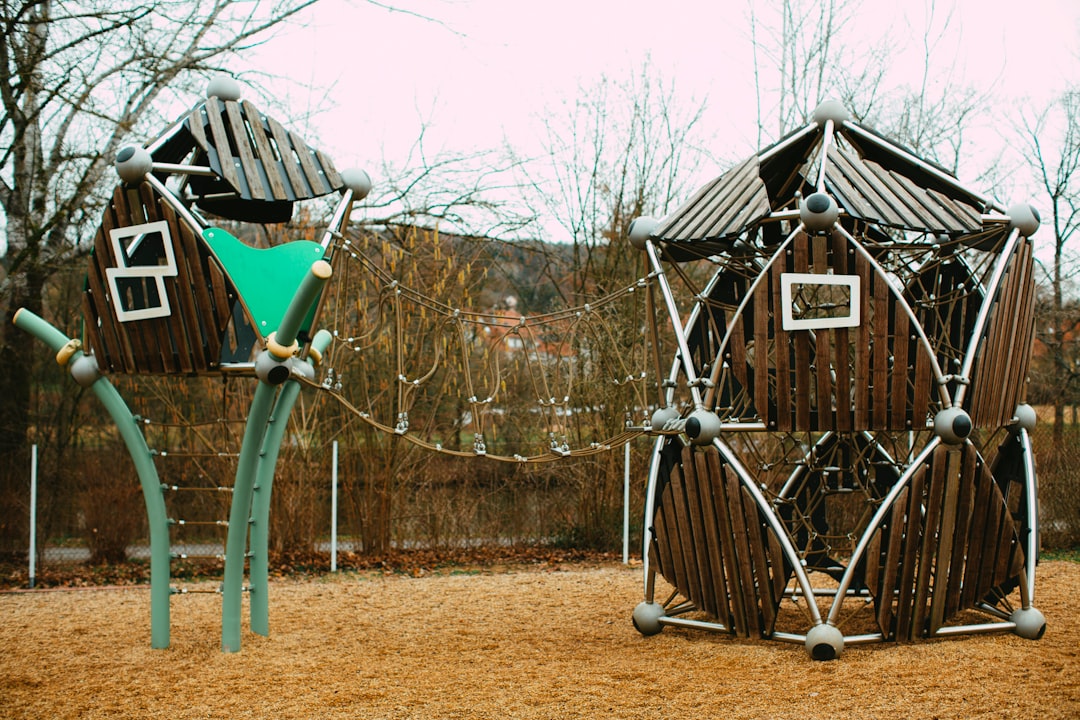
The term “sandbox” in creative contexts describes an environment where individuals can experiment with ideas without conventional limitations or external pressures. This concept originates from children’s sandbox play, which provides a controlled space for experimentation and construction without consequences for failure. In creative applications, the sandbox represents a framework that promotes exploration, investigation, and risk-taking behaviors.
The creative sandbox functions as a designated space where imagination operates without constraints from perfectionism or demands for immediate outcomes. This environment facilitates the development of novel ideas through unrestricted experimentation and iterative processes. The sandbox methodology extends beyond artistic disciplines to encompass business innovation, educational practices, and technological development.
Organizations and individuals implementing sandbox approaches can circumvent established thought patterns and identify previously unexplored solutions. This framework enables the discovery of unconventional connections between concepts and generates insights that emerge through experimental processes rather than structured analysis.
Key Takeaways
- The creative “sandbox” is a safe, open space designed for playful exploration and experimentation.
- Creating a supportive environment encourages risk-taking and nurtures innovative thinking.
- Play and experimentation help overcome creative blocks and stimulate fresh ideas.
- The sandbox approach enhances problem-solving by fostering flexible and collaborative mindsets.
- Practical tips and real-world examples demonstrate how to integrate sandbox principles into daily creative work.
How to create a conducive environment for creative exploration
Creating a conducive environment for creative exploration involves several key elements that encourage individuals to engage with their ideas openly. First and foremost, physical space plays a crucial role. A well-designed workspace that is flexible and adaptable can significantly enhance creativity.
This might include areas for collaboration, quiet zones for reflection, and resources that inspire innovation, such as art supplies, technology, or even nature elements like plants. The layout should promote movement and interaction, allowing individuals to shift between different modes of thinking and working. In addition to the physical environment, fostering a culture that values creativity is essential.
This includes encouraging open communication, where team members feel safe sharing their thoughts without fear of judgment. Regular brainstorming sessions can be instrumental in this regard, as they provide structured opportunities for idea generation. Moreover, incorporating rituals or practices that celebrate creativity—such as showcasing innovative projects or recognizing individual contributions—can reinforce the importance of exploration within the organization.
By cultivating an atmosphere that prioritizes creative thinking, individuals are more likely to engage in the sandbox approach.
The benefits of incorporating play and experimentation in the creative process
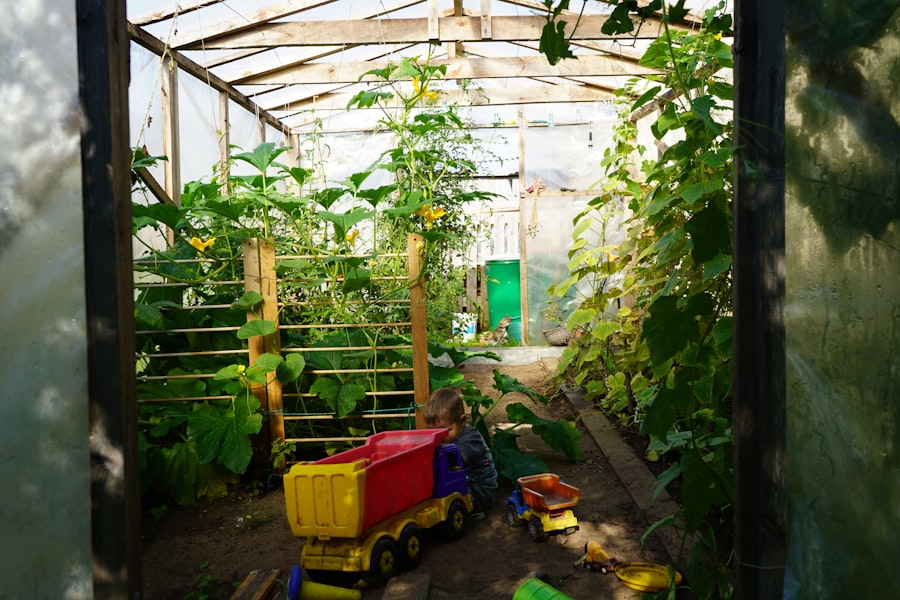
Incorporating play and experimentation into the creative process yields numerous benefits that extend beyond mere enjoyment. Engaging in playful activities stimulates the brain’s reward system, releasing dopamine and fostering a sense of joy and motivation. This positive emotional state can lead to increased productivity and a greater willingness to take risks.
Experimentation also plays a vital role in the creative process by encouraging iterative learning.
When individuals test out concepts without the pressure of achieving immediate success, they can refine their ideas based on feedback and observation. This iterative cycle of trial and error is fundamental to innovation; it allows creators to pivot when necessary and adapt their approaches based on real-world results. For instance, in product design, companies like IDEO emphasize rapid prototyping as a way to explore multiple solutions quickly, leading to more effective outcomes.
By embracing play and experimentation, individuals can unlock their full creative potential.
Overcoming creative blocks through sandbox activities
Creative blocks are common challenges that many individuals face at various points in their creative journeys. These blocks can stem from self-doubt, fear of failure, or external pressures that stifle innovation. The sandbox approach offers effective strategies for overcoming these obstacles by providing a framework for exploration without judgment.
Engaging in sandbox activities—such as free writing, doodling, or brainstorming with no specific goal—can help individuals break through mental barriers. One effective technique is to set aside dedicated time for sandbox activities where the focus is solely on exploration rather than production. For example, an artist might spend an hour creating without any intention of producing a finished piece; this could involve experimenting with different mediums or styles.
Similarly, writers can engage in stream-of-consciousness writing to unlock new ideas without the constraints of structure or grammar. These activities not only alleviate pressure but also reignite passion and curiosity, allowing individuals to reconnect with their creative instincts.
Using the sandbox approach to foster innovation and problem-solving
| Metric | Description | Value | Unit |
|---|---|---|---|
| Sandbox Environment Uptime | Percentage of time the sandbox environment is operational | 99.8 | % |
| Average Response Time | Average time taken to respond to API calls in sandbox | 120 | ms |
| Number of Active Users | Count of users actively using the sandbox environment | 1,250 | Users |
| Sandbox Data Refresh Rate | Frequency at which sandbox data is refreshed or reset | 24 | Hours |
| Number of Test Transactions | Total test transactions processed in the sandbox | 15,000 | Transactions |
| Error Rate | Percentage of failed operations in sandbox environment | 0.5 | % |
The sandbox approach is particularly valuable in fostering innovation and problem-solving within teams and organizations. By creating an environment where diverse perspectives are welcomed and experimentation is encouraged, teams can generate a wealth of ideas that may lead to groundbreaking solutions. Collaborative sandbox sessions can be structured around specific challenges or goals, allowing participants to brainstorm freely while leveraging each other’s strengths.
For instance, design thinking workshops often utilize sandbox principles by encouraging participants to prototype solutions rapidly and gather feedback in real-time. This iterative process not only enhances creativity but also ensures that solutions are grounded in user needs and experiences. Additionally, organizations like Google have famously adopted “20% time,” allowing employees to dedicate a portion of their workweek to pursue personal projects that interest them.
This practice has led to innovative products like Gmail and Google News, demonstrating how the sandbox approach can drive significant advancements.
Incorporating the principles of the sandbox in professional and personal settings

Incorporating sandbox principles into both professional and personal settings requires intentionality and openness to experimentation. In professional environments, leaders can cultivate a culture of creativity by encouraging team members to share their ideas freely and providing resources for exploration. This might involve setting up regular “innovation days” where employees can work on passion projects or collaborate on new initiatives outside their usual responsibilities.
On a personal level, individuals can create their own sandboxes by dedicating time for creative pursuits that bring them joy. This could involve setting aside weekends for artistic endeavors or joining community workshops that encourage skill development in a relaxed atmosphere. By prioritizing playfulness in personal projects—whether through cooking, gardening, or crafting—individuals can tap into their innate creativity and discover new passions.
Case studies of successful creative projects using the sandbox approach
Numerous case studies illustrate the effectiveness of the sandbox approach in driving successful creative projects across various industries. One notable example is Pixar Animation Studios, renowned for its innovative storytelling and animation techniques. The company fosters a culture of creativity by encouraging employees to share ideas openly during brainstorming sessions known as “braintrusts.” These sessions allow team members to provide constructive feedback on each other’s work without fear of criticism, creating a collaborative sandbox environment that leads to exceptional films like “Toy Story” and “Finding Nemo.” Another compelling case study is that of LEGO Group, which has embraced the sandbox mentality in its product development process.
The company encourages both employees and customers to engage in playful experimentation with its building blocks through initiatives like LEGO Ideas—a platform where fans can submit their designs for potential production. This not only fosters community engagement but also leads to innovative products that resonate with consumers. By leveraging the sandbox approach, LEGO has successfully maintained its relevance in an ever-evolving market.
Tips for implementing the sandbox approach in your own creative practice
Implementing the sandbox approach in your own creative practice involves several practical steps that can enhance your ability to explore ideas freely. First, establish a dedicated space for creativity—whether it’s a corner of your home or a specific room—where you can engage in activities without distractions. Fill this space with materials that inspire you, such as art supplies, books, or tools related to your interests.
Next, set aside regular time for sandbox activities where the focus is on exploration rather than productivity. Allow yourself to experiment with different mediums or techniques without worrying about the outcome. Embrace failure as part of the process; each misstep can lead to valuable insights that inform your future work.
Additionally, consider collaborating with others who share your interests; group brainstorming sessions can spark new ideas and provide fresh perspectives. Finally, cultivate a mindset of curiosity and openness by seeking out new experiences that challenge your thinking. Attend workshops, join creative communities, or explore different art forms to expand your horizons.
By actively engaging with the principles of the sandbox approach in your creative practice, you can unlock new levels of innovation and fulfillment in your work.
In exploring the concept of a Sandbox, it is interesting to consider the philosophical underpinnings of knowledge and perception. A related article that delves into the sources of knowledge, or pramanas, can be found at The Sources of Knowledge: Pramanas. This article provides insights into how different epistemological frameworks can influence our understanding of reality, much like how a Sandbox allows for the manipulation and exploration of ideas in a controlled environment.










+ There are no comments
Add yours