










The colonial economy in India, established during British rule from the mid-18th century until the mid-20th century, was characterized by a systematic exploitation of the subcontinent’s vast resources and labor. The British East India Company initially laid the groundwork for this economic structure, which later evolved into a more direct form of governance by the British Crown. This period saw a significant transformation in India’s economic landscape, as traditional systems were dismantled and replaced with structures that primarily served British interests.
The colonial economy was not merely an economic system; it was a complex interplay of political power, social change, and cultural shifts that left an indelible mark on the Indian subcontinent. The economic policies implemented during this era were designed to extract wealth from India while simultaneously stifling local industries and crafts. The British aimed to turn India into a supplier of raw materials for British industries and a market for British manufactured goods.
This exploitation was not limited to material resources; it extended to human labor as well, with millions of Indians subjected to harsh working conditions in various sectors. The colonial economy thus became a tool for both economic gain and political control, reshaping the lives of millions and altering the trajectory of India’s development.
Key Takeaways
- Colonial rule in India established an economy primarily serving British interests.
- Indian resources and labor were extensively exploited for colonial profit.
- Traditional Indian industries suffered decline due to British industrial competition.
- British trade policies restricted Indian economic autonomy and favored imports from Britain.
- The colonial economy reshaped India’s social and economic structures, effects of which persist today.
Exploitation of Indian Resources and Labor
The exploitation of India’s natural resources was a cornerstone of the colonial economy. The British systematically extracted valuable commodities such as cotton, jute, tea, and indigo, which were essential for fueling the burgeoning industrial revolution in Britain. For instance, the cultivation of indigo became a significant focus in Bengal, where farmers were coerced into growing this cash crop instead of food grains.
This shift not only disrupted local food supplies but also led to widespread poverty and famine among the rural population. The British implemented policies that favored cash crops over subsistence farming, resulting in a detrimental impact on local agriculture and food security. Labor exploitation was equally pervasive during this period.
The British established a system of forced labor known as “coolie” labor, where Indian workers were often subjected to grueling conditions in plantations, mines, and railways. The construction of railways, which was touted as a means of modernization, primarily served the purpose of transporting raw materials to ports for export. Workers were paid meager wages, and their rights were largely ignored.
The infamous famines of the late 19th century, such as the Great Famine of 1876-78, can be traced back to these exploitative practices, as millions perished due to starvation while resources were diverted for export.
Disruption of Traditional Indian Industries
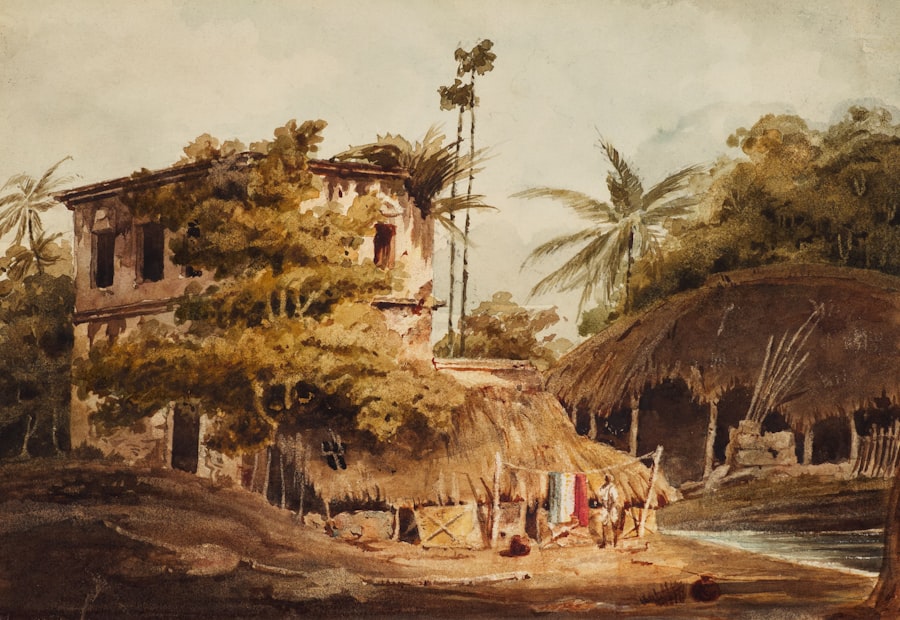
The colonial economy brought about significant disruption to traditional Indian industries that had thrived for centuries. Prior to British rule, India was known for its rich textile industry, producing high-quality fabrics that were sought after globally. However, with the influx of cheap British textiles flooding the market, local artisans and weavers faced insurmountable challenges.
This led to the decline of indigenous crafts and industries, resulting in widespread unemployment and loss of skills among artisans. The impact on traditional industries was not limited to textiles; other sectors such as pottery, metalwork, and handicrafts also suffered.
The introduction of mechanized production methods in Britain created a competitive advantage that local artisans could not match. As a result, many traditional crafts fell into disuse or were relegated to the status of mere cottage industries. The cultural heritage associated with these crafts began to erode as communities lost their livelihoods and the knowledge passed down through generations was at risk of disappearing.
Imposition of British Trade Policies
British trade policies during colonial rule were designed to benefit the British economy at the expense of Indian interests. The imposition of the “Drain of Wealth” theory articulated by nationalist leaders like Dadabhai Naoroji highlighted how wealth generated in India was systematically transferred to Britain through various means. One significant policy was the introduction of heavy taxation on Indian goods while simultaneously providing subsidies for British imports.
This created an uneven playing field that stifled local entrepreneurship and innovation. Moreover, the British established monopolies over key commodities such as salt and opium, further consolidating their control over trade. The Salt Act of 1882 is a prime example; it prohibited Indians from collecting or selling salt independently, forcing them to purchase it from the government at inflated prices.
Such policies not only drained resources from India but also fostered resentment among the populace, leading to widespread protests and movements against colonial rule. The economic disenfranchisement experienced by Indians during this period sowed the seeds for future resistance against British imperialism.
Transformation of Indian Social and Economic Structure
| Aspect | Pre-Colonial Period | Colonial Period | Impact |
|---|---|---|---|
| GDP Share of World Economy | Approximately 23% | Dropped to around 4% | Significant decline in India’s share of global economy |
| Agricultural Output | Self-sufficient, diverse crops | Focus on cash crops like indigo, cotton | Reduced food security and famines increased |
| Industrial Production | Thriving textile and handicraft industries | Deindustrialization due to British imports | Collapse of traditional industries and unemployment |
| Trade Balance | Export of finished goods | Export of raw materials, import of British goods | Trade deficit and economic dependency |
| Taxation | Moderate, based on local systems | Heavy land revenue taxes (e.g., Permanent Settlement) | Peasant indebtedness and rural distress |
| Infrastructure Development | Limited, local roads and irrigation | Railways, telegraphs introduced mainly for resource extraction | Improved connectivity but primarily served colonial interests |
| Population Growth | Steady growth | Slowed due to famines and epidemics | Population stagnation and social stress |
The colonial economy fundamentally transformed India’s social and economic structure in profound ways. The introduction of Western education and legal systems altered traditional social hierarchies and created new classes within Indian society. A burgeoning middle class emerged, educated in Western ideals and often employed in administrative roles under British governance.
This new class played a crucial role in articulating nationalist sentiments and advocating for social reforms. However, this transformation was not without its contradictions. While some segments of society benefited from Western education and employment opportunities, vast swathes of the population remained marginalized and impoverished.
The rural economy suffered immensely due to land revenue policies that favored landlords over peasants, leading to widespread agrarian distress. The social fabric of India was also affected as traditional community structures began to fray under the pressures of economic change and urbanization. The colonial economy thus created a duality within Indian society—one that experienced modernization while another languished in poverty.
Legacy of Colonial Economy on Modern India
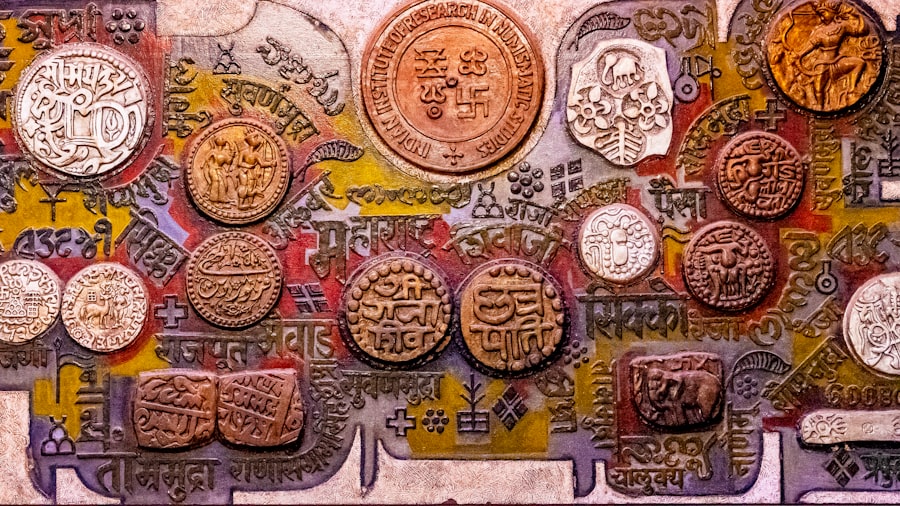
The legacy of the colonial economy continues to influence modern India in various ways. The structural inequalities established during British rule have persisted into contemporary times, manifesting in economic disparities between urban and rural areas as well as among different social classes. The industrial base that was developed during colonial times primarily served foreign interests; thus, post-independence India faced significant challenges in building a self-sustaining economy.
Moreover, the disruption of traditional industries has had lasting effects on India’s artisanal sectors. Many crafts that once flourished have struggled to survive in a globalized market dominated by mass production. Efforts to revive these industries have been met with mixed success, as artisans grapple with competition from cheaper alternatives while trying to preserve their cultural heritage.
In conclusion, understanding the colonial economy’s impact on India is crucial for comprehending the complexities of its modern economic landscape. The exploitation of resources and labor, disruption of traditional industries, imposition of trade policies, and transformation of social structures have all contributed to shaping contemporary India’s socio-economic realities. As India continues to navigate its path toward development, reflecting on this historical context remains essential for addressing ongoing challenges and fostering inclusive growth.
The impact of the colonial economy on India has been profound, shaping its agricultural practices, trade dynamics, and social structures. For a deeper understanding of how philosophical frameworks influenced economic thought during this period, you may find the article on Vyapti and Hetvabhasa in Nyaya Philosophy particularly insightful. This exploration of philosophical concepts can provide context to the economic transformations that occurred under colonial rule.
FAQs
What was the colonial economy in India?
The colonial economy in India refers to the economic system established by the British during their rule from the 18th century until 1947. It was characterized by the extraction of resources, the introduction of cash crops, and the integration of India into the global capitalist economy primarily to benefit British interests.
How did colonial rule affect India’s traditional industries?
Colonial rule led to the decline of many traditional Indian industries, such as textiles and handicrafts. British policies favored the import of British manufactured goods, which undermined local artisans and caused widespread unemployment and economic distress in these sectors.
What role did agriculture play in the colonial economy of India?
Agriculture was the backbone of the colonial economy in India. The British introduced cash crops like indigo, cotton, and tea for export, often at the expense of food crops. This shift sometimes led to food shortages and famines, as well as increased rural indebtedness.
How did colonial economic policies impact Indian peasants?
Colonial economic policies often burdened Indian peasants with high taxes and forced cultivation of cash crops. Many peasants fell into debt and lost their land, leading to widespread poverty and social distress in rural areas.
What was the impact of colonial infrastructure development on India’s economy?
The British developed infrastructure such as railways, telegraphs, and ports primarily to facilitate resource extraction and troop movement. While these developments modernized certain sectors, they were designed to serve colonial interests rather than promote broad-based economic growth in India.
Did the colonial economy contribute to India’s industrialization?
Colonial policies largely hindered India’s industrialization by restricting Indian industries and promoting British manufactured goods. However, some industries like railways, jute, and coal mining did develop under colonial rule, but these were limited and primarily served colonial economic goals.
How did colonial economic policies affect India’s trade balance?
Colonial policies led to a trade imbalance where India exported raw materials to Britain and imported finished goods. This arrangement drained wealth from India and stunted the growth of indigenous manufacturing.
What were the long-term economic impacts of colonialism on India?
The long-term impacts included deindustrialization, agrarian distress, economic dependency, and underdevelopment. The colonial economy left India with structural weaknesses that affected its post-independence economic growth and development trajectory.
How did colonial taxation affect the Indian economy?
Colonial taxation was heavy and often arbitrary, placing a significant burden on peasants and small landholders. Revenue demands were high to fund British administration and military expenses, which contributed to rural poverty and economic instability.
Did colonial economic policies lead to famines in India?
Yes, colonial economic policies, including forced cash crop cultivation and inadequate famine relief, exacerbated the severity and frequency of famines in India during British rule. The focus on revenue extraction often took precedence over humanitarian concerns.














+ There are no comments
Add yours